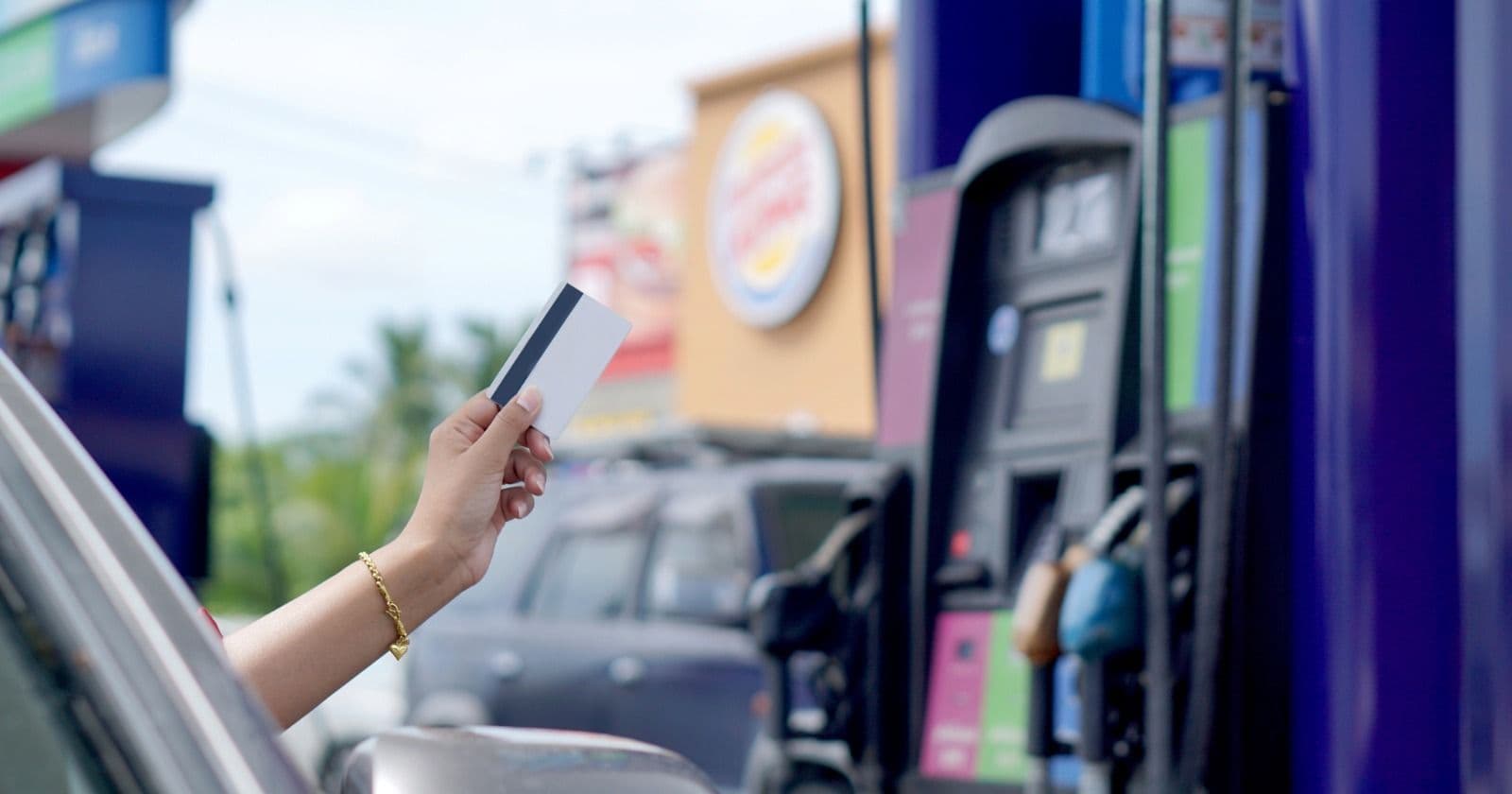
How to spot a credit card skimmer at the gas pump

See more PinScene stories in your Google results.
Check the seal, wiggle the reader, and tap instead of swipe. Some skimmers are invisible from the outside.
The U.S. Secret Service visited more than 9,000 businesses in its 2025 operations against card skimming and removed 411 illegal skimming devices, preventing an estimated $428.1 million in potential losses, the agency said.
A skimmer is an illegal card reader attached to a payment terminal that grabs the data off your card's magnetic stripe, according to the Federal Trade Commission. Early ones were stuck to the outside of the pump. Now thieves often install them inside and use Bluetooth or cellphone parts to send out card numbers and PINs, Florida's agriculture department says. One skimmer can lead to as much as $1 million in fraudulent charges, the department estimates.
In South Florida, a Secret Service sweep found 13 skimming devices in Hialeah and Homestead, preventing an estimated $13.5 million in fraud losses, NBC 6 reported in August. "Rather than waiting for consumers to become victims, we are working with businesses to help them recognize and report skimming devices before more people are impacted," said Michael Townsend, special agent in charge of the Secret Service's Miami field office.
In April, Texas agencies broke up a skimming ring and estimated they prevented about $19 million in losses. Investigators there have found "deep insert" skimmers hidden inside fuel dispensers, which they say are hard for customers to spot.
Many stations put a security seal over the pump's cabinet panel. If someone opens the panel, the seal reads "void." Skip any pump that's open or unlocked, has cut or missing security tape, or just looks off.
Wiggle the card reader before you put your card in. If it moves, tell the attendant and use a different pump, the FTC says. The Secret Service says to look for anything loose, crooked, damaged, or scratched, and to cover the keypad with your hand when typing a PIN in case a tiny camera is recording it.
Florida officials suggest avoiding pumps the attendant can't see, like ones around a corner or behind the building.
Because some skimmers can't be seen from the outside, the way you pay matters too. The Secret Service recommends tap-to-pay or a chip card whenever possible. Phone wallets add another layer, because they send a unique identifier instead of your actual card number.
The FTC says paying inside is safer than paying at the pump, though the Secret Service has found skimmers on in-store terminals too. If you use a debit card at the pump, run it as credit so you don't enter your PIN.
Credit cards carry better protection. If a thief steals your credit card number but not the card itself, "you aren't responsible for any charges you didn't authorize," the FTC says. With a debit card, you're protected if you report unauthorized transactions within 60 calendar days after your statement is sent. Wait longer and you could be on the hook.
That's why checking your statements matters. With skimming, the FTC warns, you may not know your information was stolen "until you get your statement or an overdraft notice."
If you think a pump has been tampered with, tell the station manager. In Florida, you can also file a complaint with the state agriculture department at 1-800-HELP-FLA.
Sources
- U.S. Secret Service: Inside our nationwide crackdown on card skimming and fraud
- FTC: Watch out for card skimming at the gas pump
- FTC: Lost or stolen credit, ATM, and debit cards
- Florida Department of Agriculture and Consumer Services: Card skimmers
- Texas Department of Licensing and Regulation: Multi-agency operation dismantles major skimming ring
- NBC 6 South Florida: Secret Service operation finds 13 skimmers in Hialeah, Homestead
Frequently asked
How can you tell if a gas pump has a skimmer?
Check whether the security seal on the cabinet panel is broken or reads "void," and wiggle the card reader before inserting your card. If anything is loose, crooked, or damaged, use another pump. Some skimmers hide inside the pump, so tap-to-pay is safer.
Does tap-to-pay protect against skimmers?
It helps. The Secret Service recommends tap-to-pay or chip cards whenever possible because skimmers read the magnetic stripe. Phone wallets also send a unique identifier instead of your actual card number, according to Florida's agriculture department.
Am I responsible for charges from a skimmed card?
Not for a credit card if only the number was stolen, according to the FTC. For a debit card, you're protected if you report unauthorized transactions within 60 calendar days after your statement is sent. Waiting longer can leave you responsible.