How to get rid of old paint, batteries, and other household hazardous waste

See more PinScene stories in your Google results.
That half-can of paint in the garage has a proper exit. Here's what counts as hazardous and where it goes.
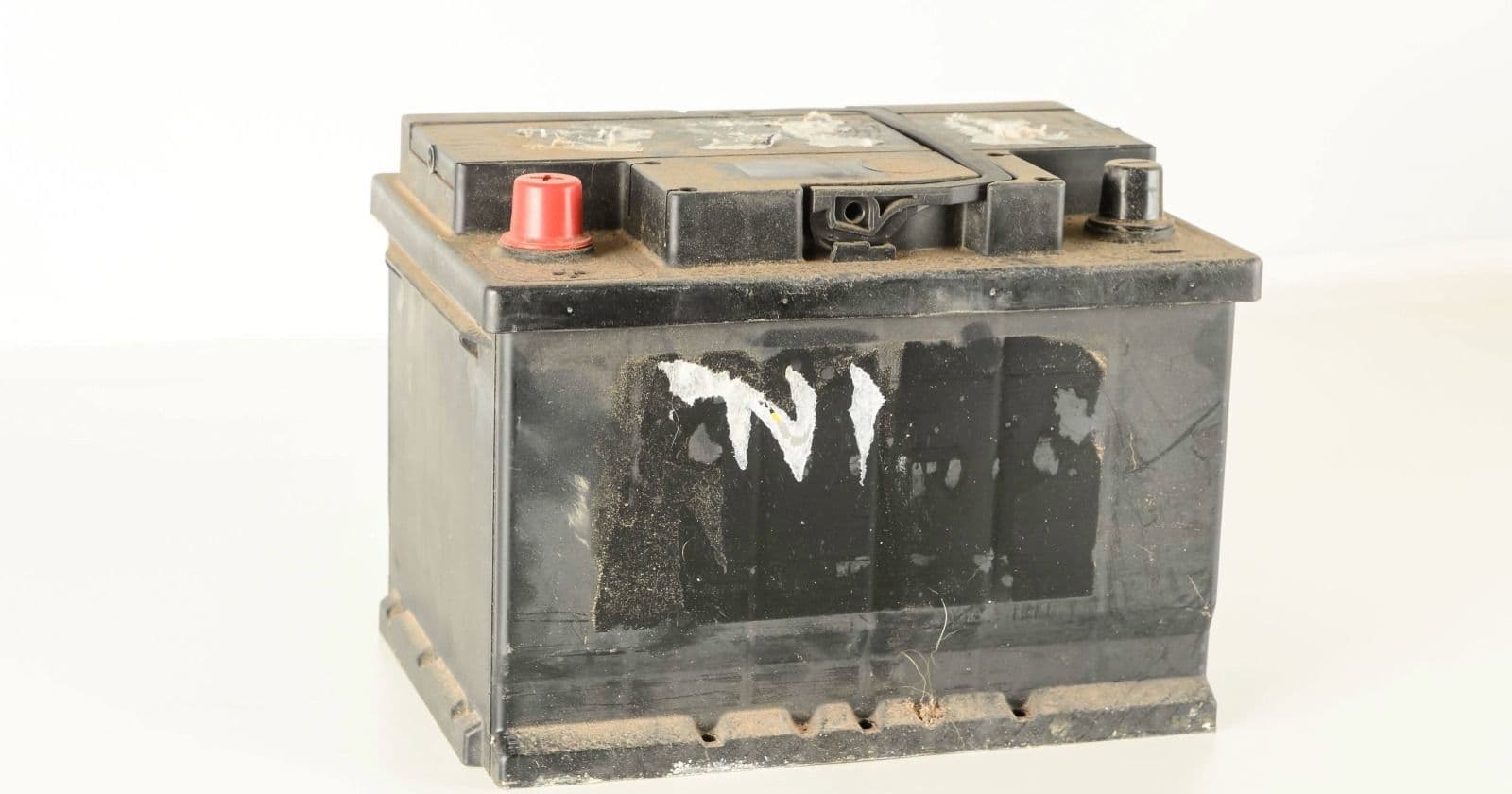
Most garages have a shelf of it: half-empty paint cans, old pesticide, a jug of used motor oil, a drawer of dead batteries. The Environmental Protection Agency calls this household hazardous waste, and it doesn't belong down the drain or in the regular trash.
The EPA defines it as "leftover household products that can catch fire, react, or explode under certain circumstances, or that are corrosive or toxic." Common examples include paints, cleaners, oils, batteries, and pesticides.
Where it shouldn't go
The EPA warns against "pouring them down the drain, on the ground, into storm sewers, or in some cases putting them out with the regular trash." A storm drain on your street usually runs straight to a creek or river with no treatment in between.
Where it can go
Many cities and counties run a household hazardous waste program. Some keep a permanent drop-off site open on set days. Others hold collection events a few times a year. Your local solid waste or environmental agency will have the schedule.
The EPA also points people to the Earth911 database, which lets you search by material and ZIP code.
Some businesses take specific items. Many auto service garages, for example, accept used motor oil.
Storing it until then
The biggest risk is mixing. The EPA's warning is blunt: "never mix HHW with other products. Incompatible products might react, ignite, or explode."
Keep everything in its original container with the label on, so whoever takes it knows what it is. Never move a chemical into a food or drink container. Empty containers can still hold residue, so handle those carefully too.
And check the label before you buy the next one. Buying only what a project needs is the easiest way to keep the shelf from filling back up.
Sources
Frequently asked
What is household hazardous waste?
The EPA defines it as leftover household products that can catch fire, react, or explode, or that are corrosive or toxic. Common examples are paints, cleaners, oils, batteries, and pesticides.
How do I dispose of old paint and chemicals?
Take them to your city or county household hazardous waste program, either a permanent drop-off site or a periodic collection event. Your local solid waste agency has the schedule, and the Earth911 database searches by material and ZIP code.
Can I pour chemicals down the drain?
No. The EPA warns against pouring household hazardous waste down drains, onto the ground, or into storm sewers. Storm drains often flow directly to local waterways without treatment.