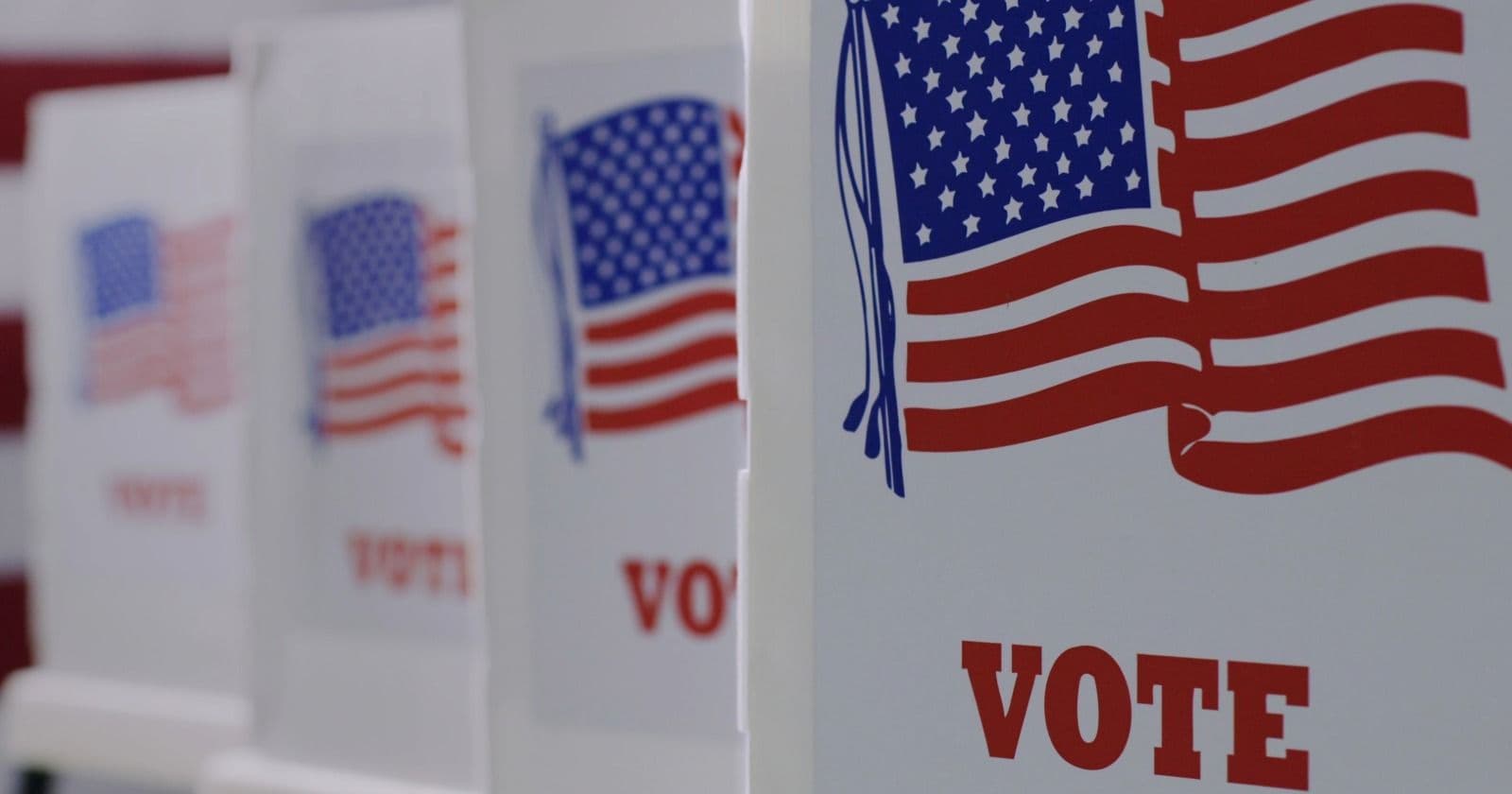
How to find your polling place and see what is on your local ballot

See more PinScene stories in your Google results.
The races that decide your street are the ones at the bottom of the ballot, and nobody arrives knowing them.
Three quick checks cover most of what you need before an election: whether you're registered, where you're supposed to vote, and what will be on your ballot. The official answers come from your state or local election office, and USAGov links to those offices by state.
Registration and polling place
Start with your state's election website or your local election office. Many states have an online voter lookup where you can confirm your registration, address, precinct, and polling place. USAGov also has a registration lookup that sends you to the appropriate state system.
Check again before each election even if nothing has changed on your end. Polling places can move, and your assigned location is based on the address in your voter registration. If you move, update your registration so the election office has your current address and can assign the correct polling place.
It is also worth checking the deadlines while you're there. Registration deadlines vary by state, as do the rules and deadlines for absentee and mail ballots.
Federal law does not allow covered states to remove someone from the voter rolls solely because they did not vote. States can conduct list maintenance for reasons such as a suspected change of residence, but federal law sets notice and waiting requirements for those removals.
The sample ballot is the part that people usually skip
Most election offices publish a sample ballot for your exact precinct once it's finalized, generally a few weeks out. Nonpartisan tools such as Ballotpedia and Vote.org will also show you a ballot by address, though the official one from your election office is the authoritative version.
Print it or keep it on your phone. Reading it beforehand is the difference between voting the whole ballot and guessing at the bottom half.
That bottom half is where the local decisions live: school board, county commission, city council, sheriff, judges, transit and library and bond questions, and sometimes the water or soil district nobody can name. Those offices set property tax rates, decide zoning, run the schools, and approve the road projects. They're also decided by a fraction of the turnout the top of the ticket gets, which is another way of saying each vote counts for more.
Researching the local races
Local candidates are the hardest to research, because almost nobody covers them. Your best sources are the local newspaper's questionnaires, your public library's voter guide, the League of Women Voters guide for your area, candidate forums hosted by neighborhood associations, and the candidates' own sites. Neighborhood groups often collect firsthand accounts of who showed up to which meeting, which is information that exists nowhere official.
For ballot questions, read the actual text on the sample ballot, then find the fiscal note or explanatory statement your state or county publishes. Ballot language is frequently written so that a yes vote isn't obvious.
On election day
Bring whatever ID your state requires, which varies a lot. If you're in the wrong place, poll workers can look up your correct precinct. If your name isn't on the roll and you believe you're registered, ask for a provisional ballot rather than leaving, and ask what you need to do afterward for it to count.
If you're in line when polls close, you're entitled to vote. Stay in line.
Sources
Frequently asked
How do I find my polling place?
Use your state or county election office's voter lookup, reachable through USAGov's directory. Enter your name and date of birth to see your registration status, precinct, and assigned polling place, which can change between elections.
How do I see what is on my ballot before I vote?
Your election office publishes a sample ballot for your precinct, usually a few weeks before the election. Nonpartisan tools like Ballotpedia and Vote.org also show a ballot by address, but the official version is authoritative.
What if my name is not on the list at my polling place?
Ask for a provisional ballot instead of leaving, and ask what you must do afterward for it to count. Poll workers can also look up your correct precinct if you are at the wrong location.