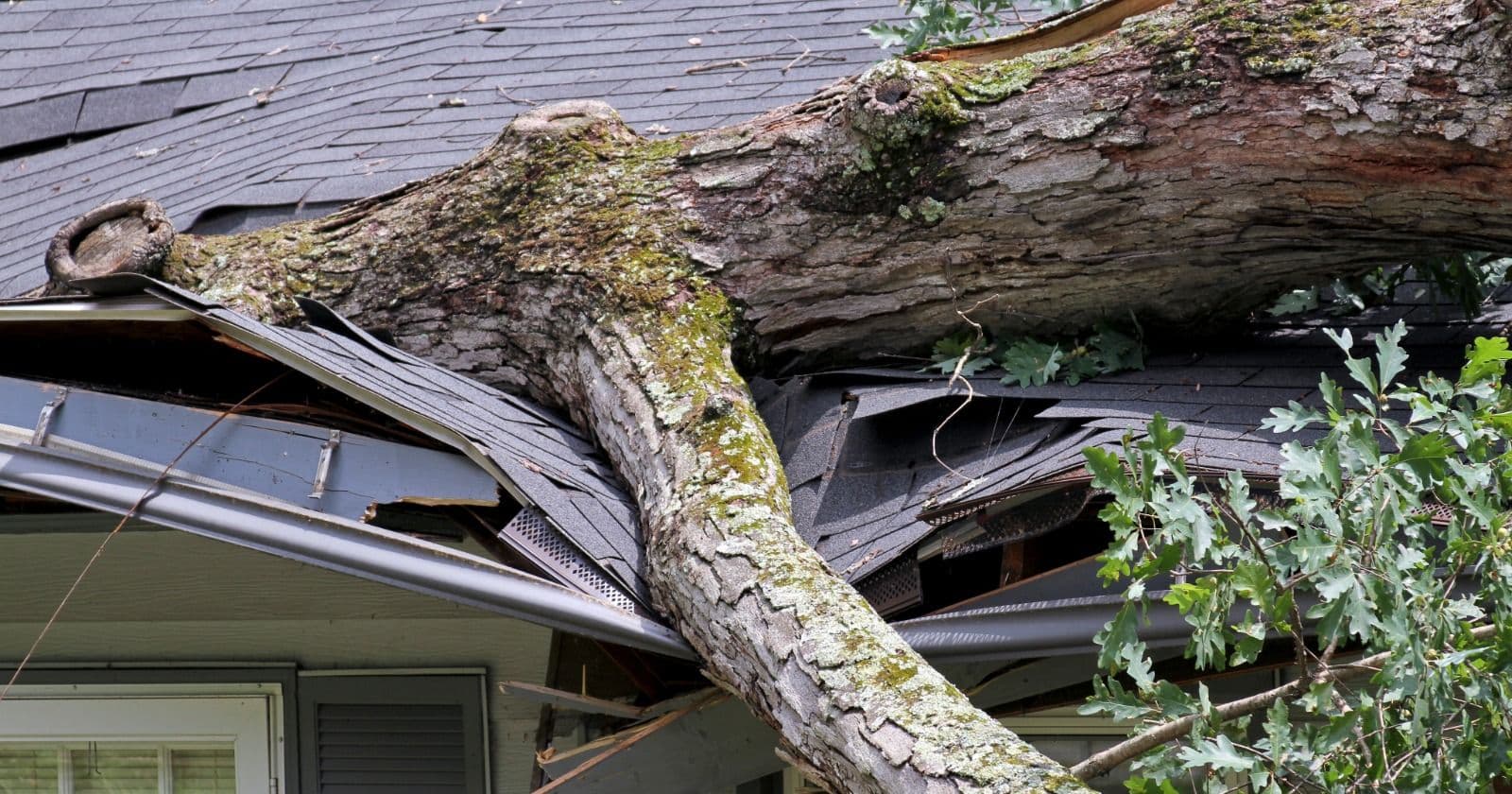
Who pays when a neighbor's tree falls on your house or car

See more PinScene stories in your Google results.
Usually it's your insurance, not your neighbor's. The exception is a tree the neighbor knew was dead.
Hurricane Isaias left "a lot of trees on houses" in Escambia County, Florida, a county spokesperson told WRDW after the storm. When one of those trees came from next door, the first question is who pays for the damage.
Usually, you do, through your own homeowners insurance. "You are insured no matter who owns the tree," the Insurance Information Institute says, as long as it was brought down by something like wind, lightning, or hail. In most cases, insurers don't spend time figuring out where the tree came from. You will still owe your deductible.
Georgia's consumer protection office puts it the same way: when a tree falls on someone's property, it's generally that property owner, not the tree's owner, who's responsible for the damage and for hauling the tree away. "If the neighbor's tree falls on your house, it's your problem," independent insurance agent Gary Blackwell told Consumer Reports.
The big exception is negligence. "Your neighbor isn't responsible for acts of nature," the Texas Department of Insurance says, unless the neighbor was at fault. If your neighbor knew the tree was dead, your insurance company may seek reimbursement from them, according to the Maryland Insurance Administration. If that works, you may get your deductible back.
Notice matters. In Georgia, a tree owner who got written notice of a problem from an arborist, a tenant, or someone else before the tree fell would likely be responsible for the damages, the state's consumer protection office says. Oklahoma's insurance department says a neighbor who's told a tree is a safety concern and does nothing could be considered negligent. So if a dead or leaning tree next door worries you, say so in writing. If the neighbor doesn't respond, send a certified letter and take pictures of the tree, WRAL advised. The same logic runs the other way: if your poorly maintained tree falls on a neighbor's house, their insurer may come after you.
Tree removal is covered, but only up to a point. A homeowners policy generally pays to remove a fallen tree that hit your house up to about $500 to $1,000, depending on the insurer and policy, according to the institute. Maryland's regulator says that amount is typically based on the storm, not on the number of trees that came down. If a tree falls without hitting a structure, there's generally no coverage for removing it, though some insurers will pay if it blocks a driveway or a wheelchair ramp. Maryland says many policies pay either way, so read yours.
Your car is a separate claim. A homeowners policy doesn't cover a tree falling on your car. That falls under the comprehensive coverage on your auto policy, which pays for non-collision damage like falling trees and weather, according to Iowa's insurance division.
Storm deductibles can be steep. If a tree falls on your roof on a windy day, the claim may fall under a separate wind deductible, according to the National Association of Insurance Commissioners. Those are often a percentage of the home's insured value, from 1% to as high as 10%. On a house insured for $300,000, a 5% deductible means the first $15,000 comes out of your pocket. Florida insurers must offer hurricane deductibles of $500 or 2%, 5%, or 10% of the dwelling limit.
Before you touch anything, document it. Take photos and video of the damage before moving the tree or making repairs, Texas and Iowa regulators say. Don't sign a cleanup contract with any blanks in it, and know how much of the bill you'll pay. For work on a tree on private property, New York City's parks department recommends consulting a certified arborist.
Trees along the street are often the city's job. In New York City, report a problem with a city tree through 311, the online tree service request system, or the NYC Tree Map. The city doesn't work on trees on private property. In Chicago, call 311 or file a request online. In Atlanta, the city is responsible for trees on public property and rights of way, and residents should call the Department of Parks and Recreation at 404-546-6813 when one falls, 11Alive reported.
Sources
- Insurance Information Institute: If a tree falls on your house, are you covered?
- Insurance Information Institute: Hurricane insurance FAQ
- Insurance Information Institute: Hurricane and windstorm deductibles
- NAIC: Hurricane deductibles
- Maryland Insurance Administration: Fallen trees
- Iowa Insurance Division: Tree damage and insurance
- Oklahoma Insurance Department: Fallen trees, what's covered
- Texas Department of Insurance: Fallen tree branches and insurance
- Georgia Department of Law, Consumer Protection Division: Fallen trees
- Florida Department of Financial Services: Florida's hurricane deductible
- NYC Parks: Damaged and fallen trees
- City of Chicago: Dead or damaged trees
- 11Alive: A tree falls on your Atlanta property, who's responsible?
- WRAL: Tree falls, who's responsible for cleanup?
- Consumer Reports: When a tree falls, who pays for the damage?
- WRDW: One fatality confirmed in Escambia County following Hurricane Isaias
Frequently asked
Who pays if my neighbor's tree falls on my house?
Usually your own homeowners insurance, minus your deductible, no matter who owns the tree. If your neighbor knew the tree was dead or had been warned about it in writing, your insurer may seek reimbursement from them, and you may get your deductible back.
Does homeowners insurance pay to remove a fallen tree?
Generally yes, if the tree hit your house or another insured structure, usually up to about $500 to $1,000 depending on the policy. If it falls without hitting anything, removal often isn't covered, though some insurers pay if it blocks a driveway.
Does insurance cover a tree falling on my car?
Not your homeowners policy. Damage to a car from a falling tree is covered by the comprehensive coverage on your auto policy, which pays for non-collision damage like falling trees, theft, vandalism, and weather.