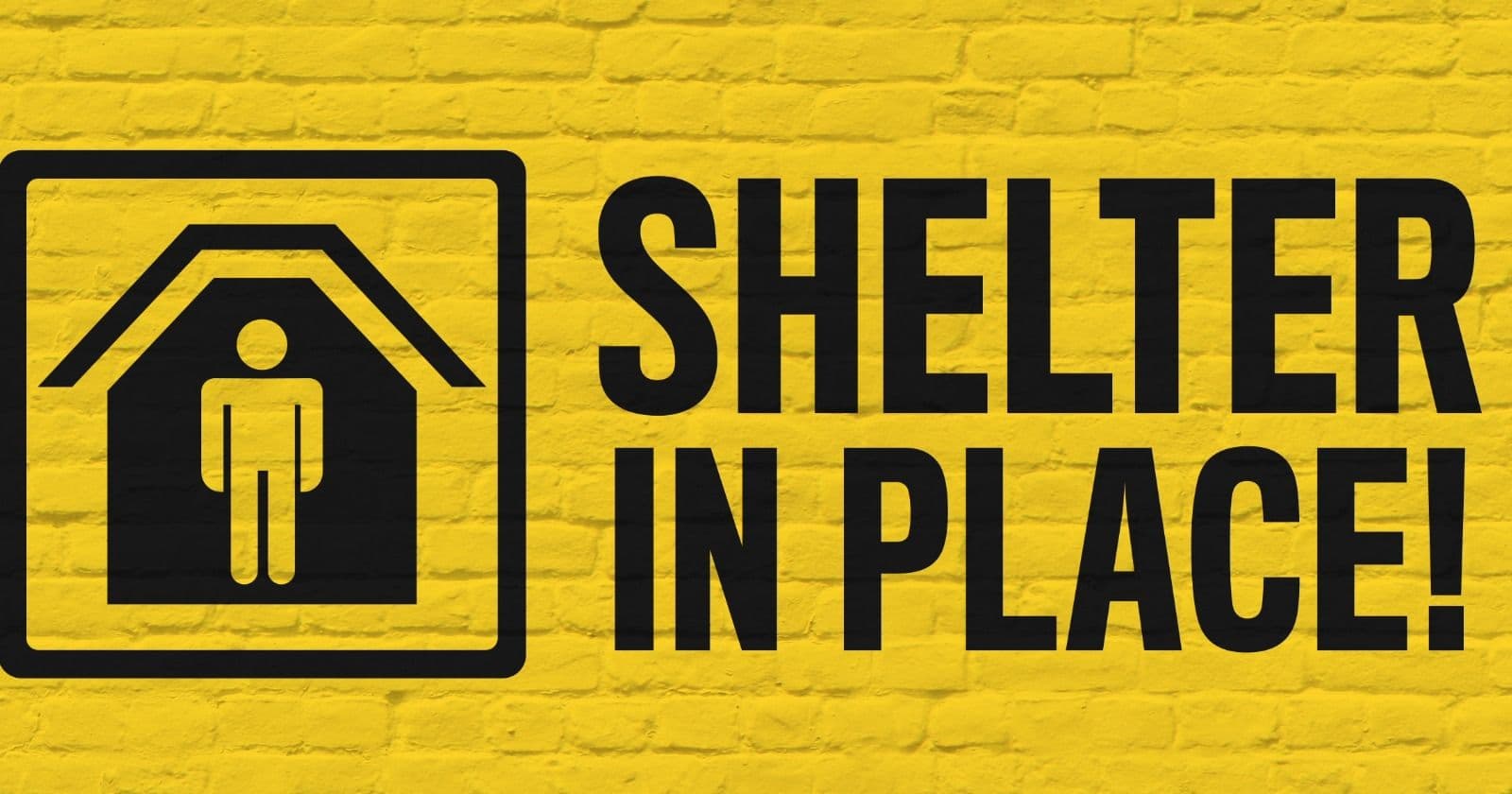
Shelter in place, evacuate, or stay at home: what each order means

See more PinScene stories in your Google results.
Three orders that sound similar and ask for very different things. Here is what each one means.
Emergency officials use three phrases that sound close and mean very different things. Shelter in place means get inside where you are and stay there until you're told otherwise. Evacuate means leave the area. Stay at home means remain indoors as much as possible, though essential trips and outdoor spaces are still allowed.
Getting them mixed up can put you on the road when you should be inside, or inside when you should be away from home.
When to shelter in place
Ready.gov, the federal emergency preparedness site run by FEMA, describes sheltering in place as staying where you are "and avoid any uncertainty outside." It's the order for situations where the outside air is the danger: when there are "large amounts of debris in the air" or when "local authorities say the air is badly contaminated," such as a chemical or radiological release.
For a chemical or radiological incident, Ready.gov lays out specific steps:
- Bring everyone inside, including pets.
- Turn off fans, heating, and air conditioning so outside air isn't pulled in.
- Go to an interior room with few windows.
- Seal windows, doors, and vents with thick plastic sheeting and duct tape. Cut the plastic several inches wider than each opening, and tape the corners first before sealing the edges.
Keep a phone or radio on, since the all-clear comes the same way the order did.
When to evacuate
Evacuation orders are common ahead of hurricanes, wildfires, and floods. Ready.gov is direct about it: "If you live in a mandatory evacuation zone and local officials tell you to evacuate, do so immediately."
Waiting to see how bad it gets is the common mistake. Roads clog, and conditions can close escape routes before the worst arrives.
Some storms don't come with an evacuation order for your address. In that case the advice flips to sheltering: an interior room or designated storm shelter for high winds, and the highest level of the building if you're trapped by rising water.
Hearing the order in time
None of this helps if the order doesn't reach you. Most of these instructions go out through county alert systems and the Wireless Emergency Alerts on your phone. Our guide to getting local emergency alerts covers how to make sure you're signed up.
Sources
Frequently asked
What does shelter in place mean?
It means get inside the building you are in and stay there until officials give an all-clear. It is used when the outside air is dangerous, such as during a chemical release, toxic smoke, or heavy airborne debris.
What is the difference between shelter in place and stay at home?
Shelter in place means staying inside continuously because conditions outside are dangerous. A stay-at-home order asks people to remain indoors as much as possible but still allows essential activities and use of outdoor spaces.
How do you shelter in place during a chemical emergency?
Bring everyone inside, turn off fans and air systems, and move to an interior room with few windows. Seal windows, doors, and vents with thick plastic sheeting and duct tape, cutting sheets several inches wider than each opening.