What's the deal with Flock cameras, and why are people trying to get rid of them?

See more PinScene stories in your Google results.
A small camera on a pole, pointed at traffic. Here is what it records, who gets to search it, and why so many towns are voting it out.
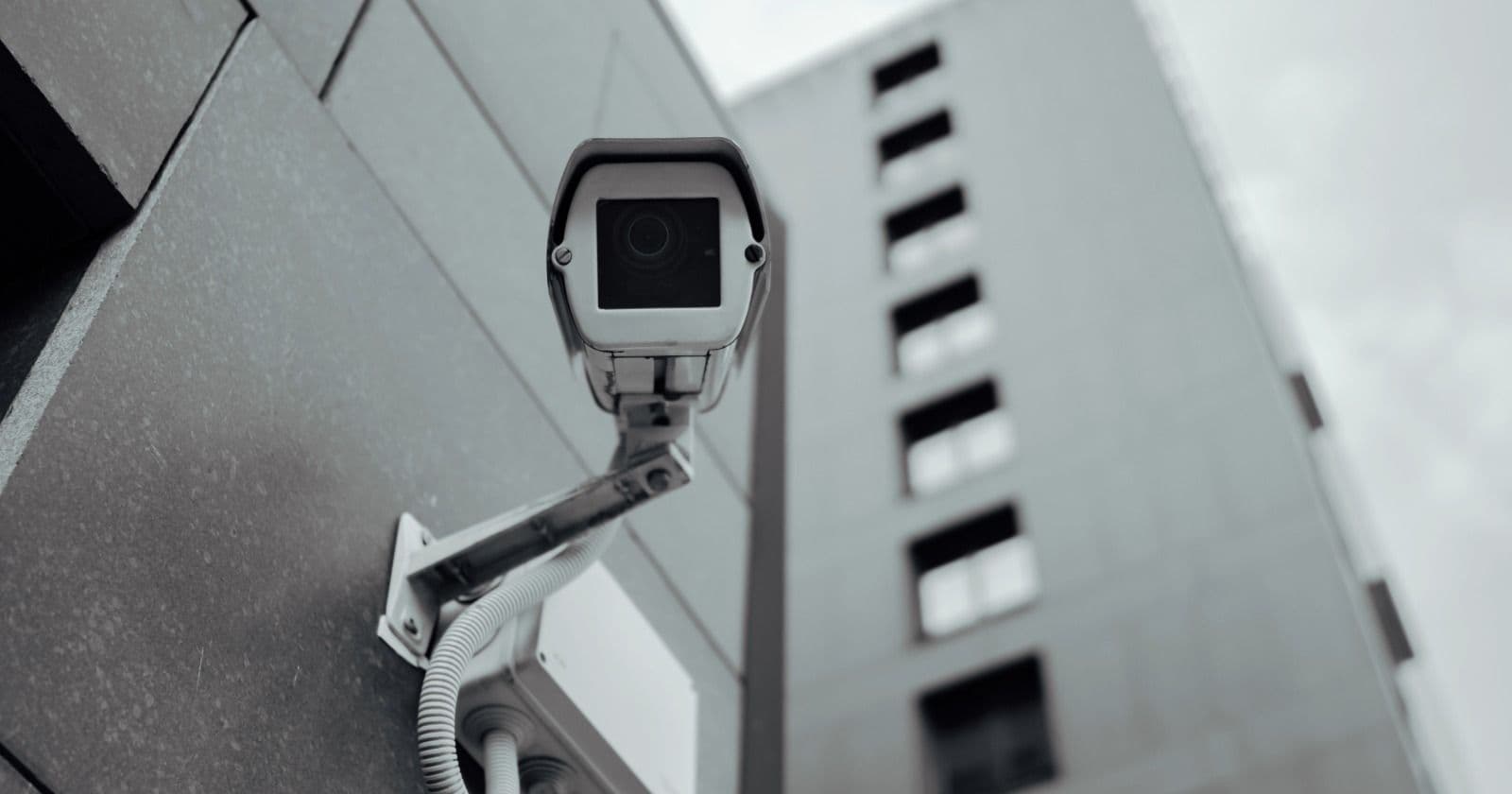
If you've noticed a small camera on a pole aimed at the lanes coming into your neighborhood, there's a decent chance it's a Flock camera. They're everywhere now. More than 135,000 automated license plate readers operate in the U.S., and Flock Safety, an Atlanta company founded in 2017, makes four of every five, according to ABC News.
They've also become one of the most argued-about pieces of local government equipment in the country.
What the cameras record
Flock says its cameras collect "license plate images, vehicle characteristics, date and time stamps, and camera location identifiers," and that they don't gather biometric data, driver information, or facial recognition data. The company's line is that the system "captures vehicles. Not people."
The vehicle characteristics are the part people tend to miss. Officers can search for a car using a partial plate, or by make, color, body style, and distinctive features, which Flock calls a vehicle fingerprint. So a car can be found without anyone knowing its plate.
Each photo is a point on a map with a time attached. Enough of them, across enough cameras, show where a particular car goes and when.
Who can search it
Police departments buy the cameras, but so do homeowners associations, businesses, and school districts. In metro Atlanta, Fulton County Schools has them at all 104 of its schools.
Flock says sharing is up to each customer: "Nothing is shared unless our customers turn on sharing." When an agency turns it on, officers in one town can search cameras in another. Private cameras can feed in too. WBTV reported that the Charlotte-Mecklenburg Police Department's agreement lets officers search images from Flock's network, including "limited access" to community devices, even though the department owns no Flock cameras itself.
How long the data sticks around depends on the agency. In August, Flock cut its recommended default from 30 days to seven, saying "over 90% of searches without a full plate are done within a week." Existing customers keep whatever retention period they already set unless they choose to change it.
Why people want them gone
The biggest reason is misuse. A Kentucky officer was arrested for tracking his ex-girlfriend more than 2,000 times, six Savannah police employees were fired over alleged abuse of the cameras, and the Institute for Justice has documented more than 100 cases of plate-reader abuse involving stalking and wrongful stops, ABC News reported. In Charlotte, an officer was charged with illegally accessing a government computer after the target of a drug investigation asked him to run a Flock search on a vehicle being used by an undercover officer, WBTV reported.
The second is immigration enforcement. In 2025, 404 Media obtained Flock search logs through a public records request to the police department in Danville, Illinois. The logs showed local and state police running searches with reasons like "immigration," "ICE," and "ICE WARRANT." Immigration and Customs Enforcement had no contract with Flock. It got results by asking local departments to run the searches, even though Illinois law bars using plate reader data for immigration enforcement.
The third is scale. A single camera at an intersection doesn't bother most people. A network of more than 100,000, searchable across town and state lines, is what critics are objecting to. "This is the biggest, most grassroots privacy backlash that I've ever seen in more than 20 years working on these issues," Jay Stanley of the American Civil Liberties Union told ABC News.
The case for them
Police departments buy the cameras to find vehicles in investigations, and Fulton County Schools said of its own, "Our goal is to ensure that everyone feels safe on their school campus." In a statement to ABC News, Flock said, "Flock is designed to help authorized users find relevant evidence for investigations without compromising safety and compliance."
Flock has also added limits. By the end of this year it will require case codes on every law enforcement search, and every law enforcement customer will have to adopt its audit feature. It now suspends access automatically when a user's activity looks abnormal, pending review. More than 1,500 agencies have published a Flock Transparency Portal listing their policies, retention period, sharing partners, and search activity, the company says.
What cities are doing
A Newsweek map counts 149 cities, counties, and other local governments that have canceled Flock contracts, rejected new cameras, or shut existing ones off. ABC News counted more than 50 that canceled or deactivated them this year alone.
Dropping Flock doesn't always mean dropping plate readers. Denver let its Flock contract end March 31 and replaced its 110 Flock cameras with a one-year contract for 50 cameras from Axon, approved 7-6 by the City Council, according to the ACLU of Colorado.
Finding out about the cameras near you
Search your police department's name plus "Flock transparency portal." If one exists, it lists how many cameras the agency runs, how long it keeps data, who it shares with, and how often officers search.
DeFlock is a crowdsourced map of plate readers, started by Will Freeman after he noticed the cameras when he moved to Alabama. People add cameras they spot, so it's incomplete, but it shows placements agencies often don't publish.
Camera contracts are approved at public council or commission meetings, and the search logs themselves can be requested through public records laws in many states. That's how the Danville logs came out.
Sources
- ABC News: Flock cameras trigger nationwide backlash over privacy concerns, police abuse
- Flock Safety: Data Privacy and Protection
- Flock Safety: Privacy, accountability, security, and transparency updates
- 404 Media: ICE taps into nationwide AI-enabled camera network
- WBTV: Charlotte-Mecklenburg police release Flock Safety agreement
- Newsweek: Map shows 149 cities pushing back against Flock cameras
- ACLU of Colorado: Denver approves Axon contract to replace Flock
- 404 Media: DeFlock is mapping license plate cameras
- Atlanta News First: Students petition to remove Flock cameras at Alpharetta High School
Frequently asked
What are Flock cameras?
They are automated license plate readers made by Flock Safety, an Atlanta company. Mounted on poles, they photograph passing vehicles and record the plate, vehicle characteristics, time, and location, which police can later search.
Do Flock cameras use facial recognition?
Flock says no. The company states its cameras do not collect biometric data, driver information, or facial recognition data. They do record vehicle traits like make, color, and body style, so cars can be searched without a plate number.
How long does Flock keep license plate data?
Each agency sets its own period. In August 2026, Flock lowered its recommended default from 30 days to seven, though existing customers keep their current settings unless they choose to change them.