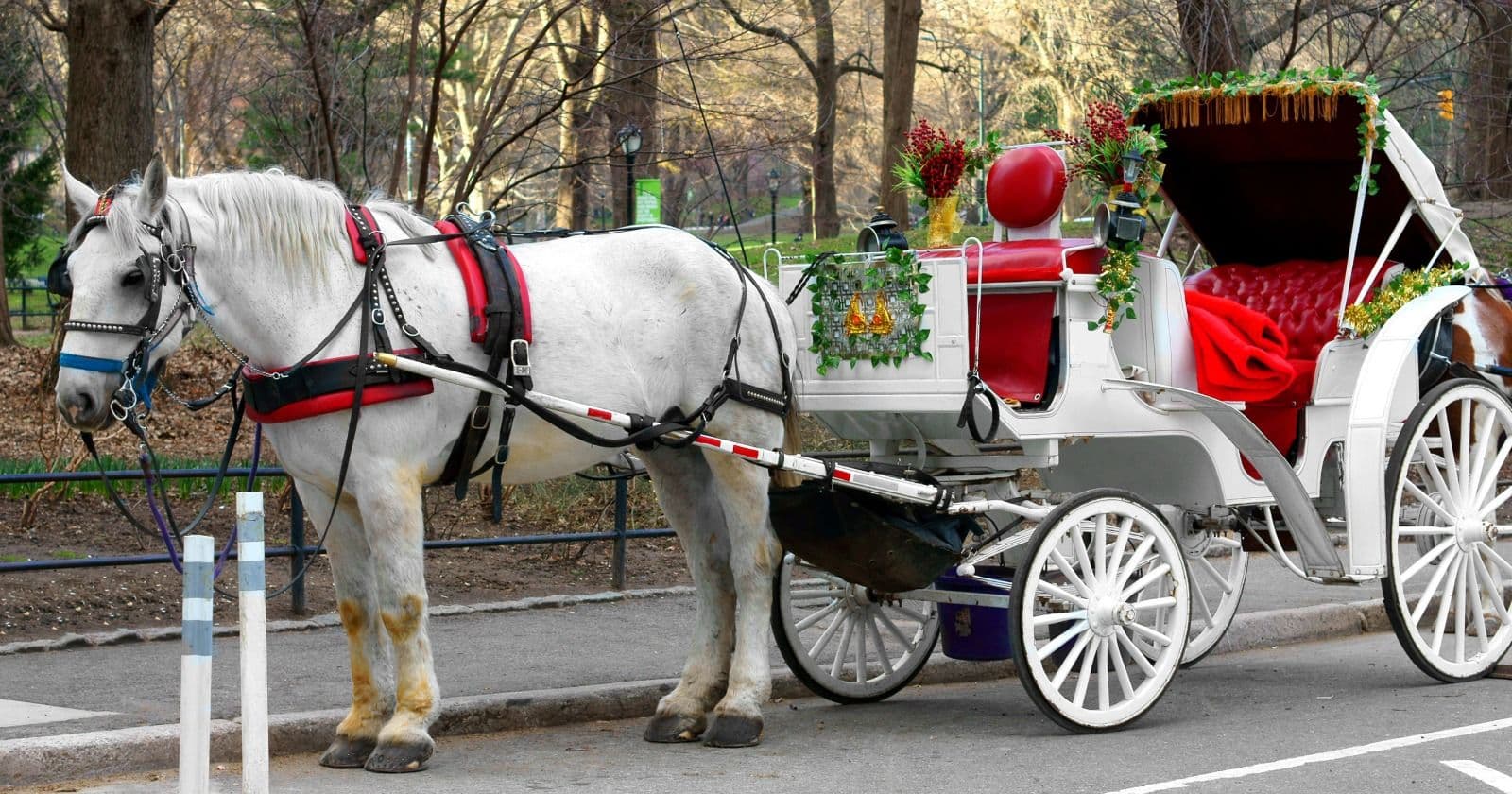
New York City is set to vote on ending Central Park's horse carriages

See more PinScene stories in your Google results.
The mayor and the speaker have a deal. The carriage drivers' union calls it political opportunism.
The New York City Council is scheduled to vote Thursday, October 22, on a bill that would end horse-drawn carriage rides in Central Park. The Committee on Health is set to vote on it at 10:15 a.m., followed by the full council at 1:30 p.m., according to the council's legislative calendar. Under the bill, every carriage license still active would permanently expire on May 31, 2028.
The bill looks likely to pass. Mayor Zohran Mamdani reached a deal with Council Speaker Menin last week. "The horse carriage industry is coming to an end in New York City," Mamdani said on social media, the Associated Press reported. The bill, Intro 943, has 30 council sponsors, led by Council Member Christopher Marte, and Menin expects it to pass with a veto-proof majority, 6sqft reported. With 51 council members, that takes 34 votes.
The push follows a death in June. Romanch Mahajan, an 18-year-old from India, died after the horse pulling the carriage he was riding in suddenly bolted near Bethesda Fountain. He is believed to be the first person to die in a carriage accident since the rides began in Central Park more than 150 years ago, and it was the eighth horse-related incident in the park in just over a year, NBC New York reported. Marte renamed his bill Romanch's Law. It had been called Ryder's Law, after a carriage horse that collapsed on Ninth Avenue in August 2022.
"The tragic and preventable death of 18-year-old Romanch Mahajan made clear that the status quo is no longer acceptable," Menin said in a council press release.
The bill bars selling the horses for slaughter or to another carriage business and requires that they be placed humanely. The city would have to put together a transition plan for the industry by April 1, 2027, including consideration of a program to compensate carriage owners for the value of their businesses, licenses, and equipment. Carriages could still get permits for temporary events like weddings, parades, and film shoots.
The drivers' union says "consider" isn't enough. Owners spent hundreds of thousands of dollars on city-issued medallions, and the bill only says the city should consider paying them back, the Transport Workers Union told NY1. "This is disgraceful political opportunism, and Zohran should not simply go along with it," said John Samuelsen of the Transport Workers Union.
At a rally last week, drivers said they had proposed switching to electric carriages and a full buyout, and never heard back. "So we are not against change. We are against being left behind," Atakan Aktay said at the rally. Mamdani has said the city has "a civic responsibility to ensure that we are not leaving anybody out to dry," and the speaker's office is forming a working group with one representative each from the administration and labor.
How many people would lose work depends on who's counting. Gothamist reported in July that 208 workers are licensed to drive the carriages, earning around $60,000 to $70,000 a year. The union puts it at 150 active, licensed drivers holding 68 medallions. Under current rules, carriage horses can work until age 26, get at least five weeks of vacation a year, and don't work when it's hotter than 89 degrees.
New York has come close before. Former Mayor Bill de Blasio promised to end the rides on his first day in office, then dropped the effort after heavy opposition from unions and a media campaign that included actor Liam Neeson. Last November, the same Health Committee voted down an earlier ban. Other cities, including Chicago and San Antonio, have ended their carriage rides, the Central Park Conservancy told NBC.
"I thank her for working with us to finally bring this nearly 30-year debate to an end," Marte said of the speaker.
Sources
- New York City Council: Int 943-2026
- New York City Council: Meeting calendar
- New York City Council: Press release on Romanch's Law
- Associated Press via WDBJ: New York moves to ban horse-drawn carriage rides in Central Park
- NBC New York: City Council to vote on proposal to end NYC horse carriages by 2028
- NY1: Mayor and City Council speaker agree to ban horse carriages
- NY1: Horse carriage drivers rally against ban ahead of vote
- 6sqft: Horse-drawn carriages to be banned in Central Park after deal
- Gothamist: NYC carriage horse drivers make last stand at City Hall hearing
- NY1: City Council committee votes against bill to ban Central Park horse carriages (2025)
Frequently asked
Is New York City banning horse carriages?
The City Council is scheduled to vote October 22, 2026, on Romanch's Law, which would make all carriage licenses expire on May 31, 2028. Mayor Zohran Mamdani and the council speaker back it, and supporters expect a veto-proof majority.
What is Romanch's Law?
A New York City bill, Intro 943, named for Romanch Mahajan, an 18-year-old tourist who died in June 2026 after a carriage horse bolted in Central Park. It would end carriage rides by mid-2028 and bar selling the horses for slaughter.
What happens to carriage drivers and horses under the ban?
The city would have to create a transition plan by April 1, 2027, including possible compensation for owners. The horses must be placed humanely and can't be sold for slaughter or to another carriage business. The drivers' union wants a guaranteed buyout.