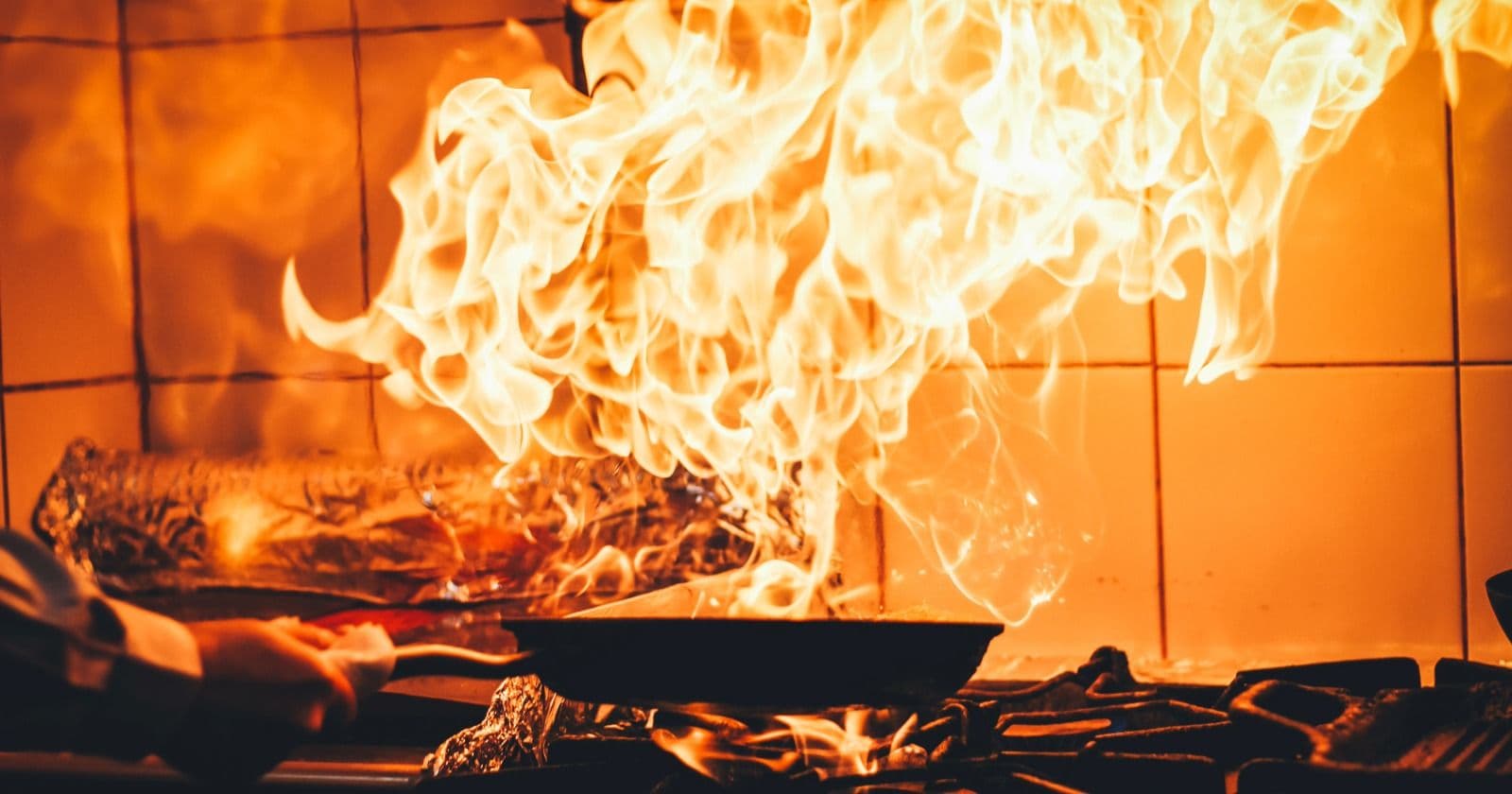
The worst days of the year for kitchen fires

See more PinScene stories in your Google results.
Home cooking fires jump more than fourfold on Thanksgiving. Most start the same way: someone walks away from the stove.
No day of the year brings more kitchen fires than Thanksgiving. U.S. fire departments responded to an estimated 1,139 home cooking fires on Thanksgiving Day in 2024, a 321% increase over the daily average, according to the National Fire Protection Association, which released the numbers November 12. That's more than four times as many as on a typical day.
Christmas Day and Christmas Eve are the second and third worst days of the year for home cooking fires, the NFPA said, according to Security Sales & Integration, which published the association's announcement.
"When people are preparing multiple dishes and entertaining guests," it's easier to lose track of what's on the stove, said Lorraine Carli, the NFPA's vice president of outreach and advocacy, and "that's when the likelihood of fire increases."
Cooking causes almost all of them. From 2020 to 2024, cooking caused 80% of U.S. home fires on Thanksgiving Day and 35% of the injuries, the NFPA said. No civilian deaths were reported in those Thanksgiving fires.
Year-round, cooking is still the biggest cause of house fires. U.S. fire departments responded to about 170,000 home cooking fires in 2021, which caused about 135 deaths, 3,000 injuries, and more than $494 million in property damage, according to the U.S. Fire Administration. Unattended cooking is the leading contributing factor in home cooking fires and the deaths they cause, the NFPA said.
How to keep it from happening to you. The NFPA's advice for Thanksgiving:
- Don't leave the kitchen while something is on the stovetop, especially if you're frying or sautéing with oil.
- Stay home while the turkey is in the oven, and check on it regularly.
- Set timers, especially for dishes that cook for a long time.
- Keep oven mitts, wooden spoons, food wrappers, and towels at least three feet from the stove.
- Skip long, loose sleeves that can brush a burner.
- Keep kids and pets at least three feet from the stove, and set hot food and drinks away from the edges of tables and counters.
The U.S. Fire Administration adds two more. Turn pot handles toward the back of the stove so nobody bumps them, and if you see smoke or the grease starts to boil, turn the burner off.
If a pan catches fire. Keep a lid next to the pan while you cook. If a small grease fire starts, slide the lid over the pan to smother it, then turn off the burner, the NFPA said. Leave the lid on, because the fire can flare back up. A baking sheet works too, according to the Fire Administration.
For an oven fire, turn off the heat and keep the door closed. Open it only when you're sure the fire is out, and stand to the side when you do. If you're unsure, call the fire department.
About that turkey fryer. The NFPA "strongly discourages" oil-filled turkey fryers, which can cause devastating burns. Its suggestion: buy a fried turkey from a grocery store or restaurant, or use a fryer that doesn't need oil.
Most of these fires come down to a few minutes away from the stove. On a day when the house is full and everyone wants your attention, put someone in charge of the kitchen, and don't leave it empty while the burners are on.
Sources
Frequently asked
What day of the year has the most home cooking fires?
Thanksgiving. U.S. fire departments responded to an estimated 1,139 home cooking fires on Thanksgiving Day 2024, a 321% increase over the daily average, according to the NFPA. Christmas Day and Christmas Eve rank second and third.
How do you put out a grease fire on the stove?
Slide a lid or a baking sheet over the pan to smother the flames, then turn off the burner. Keep the cover on, because the fire can start again. If you have any doubts, call the fire department.
Is it safe to deep-fry a turkey?
The NFPA strongly discourages turkey fryers that use cooking oil because they can cause devastating burns. It suggests buying a fried turkey from a grocery store or restaurant, or using a fryer that doesn't use oil.