Trick-or-treat safety tips for costumes, candy, pets, and the front porch

See more PinScene stories in your Google results.
The poisoned-candy scare has almost no record behind it. Decorative contacts and cannabis edibles carry real risks.
Halloween falls on Saturday, October 31, this year. Most of the safety advice from pediatricians and federal agencies comes down to a few checks before kids head out and a few more after they get home. Here's what they recommend, from the costume label to the candy bowl. For traffic and crash risks, see our guide to Halloween pedestrian safety.
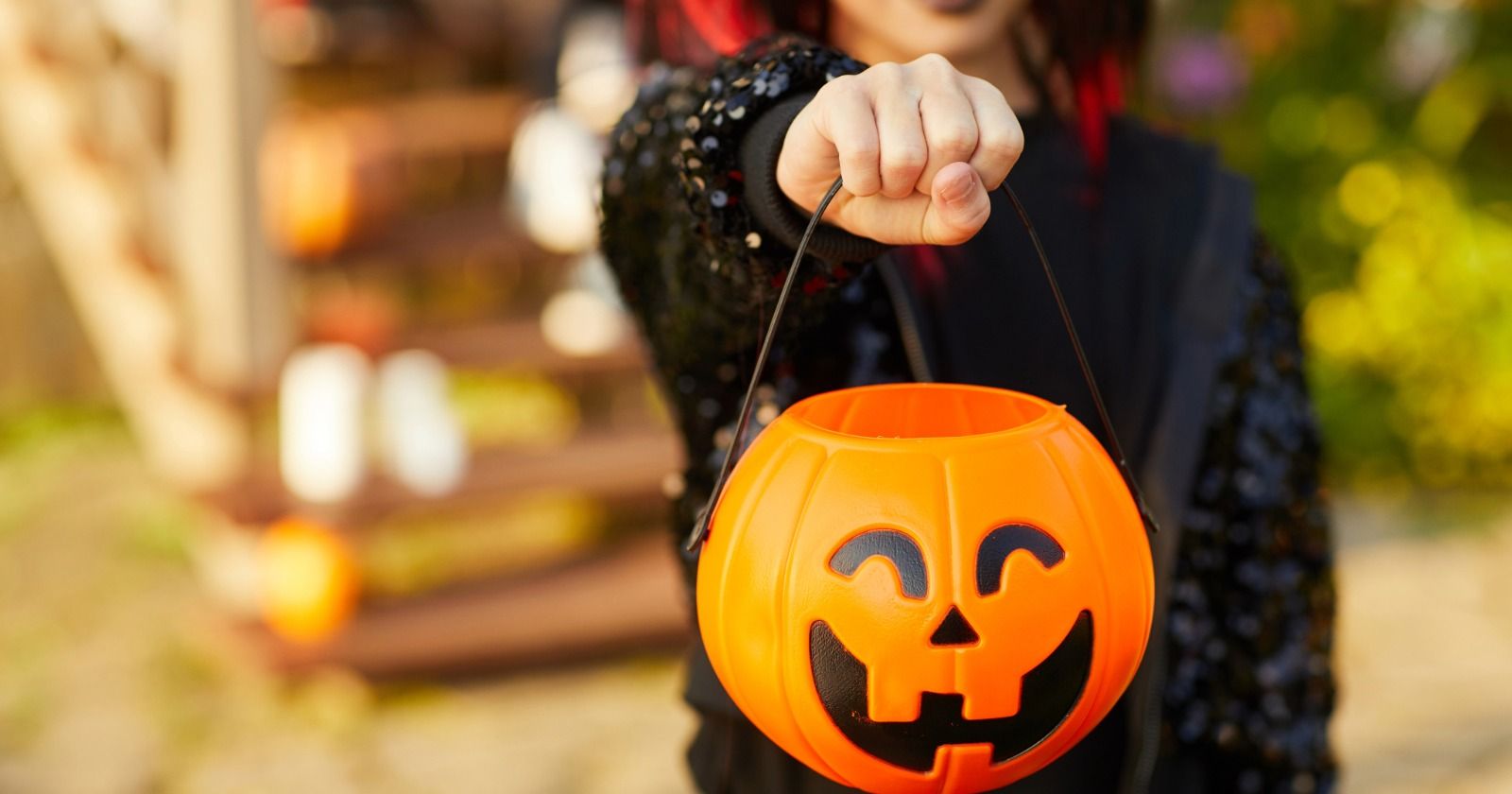
Costumes: Look for costumes that say "flame resistant" on the label, the Food and Drug Administration says. The federal Flammable Fabrics Act requires costumes sold at retail to be flame resistant, according to the Consumer Product Safety Commission. The American Academy of Pediatrics suggests checking the labels on wigs and accessories, too. Costumes should be short enough that kids won't trip, and shoes should fit well and be sturdy. The CPSC says high heels aren't a good idea.
Makeup and hats are a better choice than masks that block a child's view, the FDA says, and it suggests testing makeup 24 to 48 hours before Halloween. If your child does wear a mask, make sure it fits securely, lets air through, and has eye holes big enough to see clearly. Swords, knives, and other props should be soft and flexible. For visibility, pick bright, reflective costumes or add strips of reflective tape, and give kids a flashlight so they can see and be seen.
Colored contact lenses: All contact lenses need a prescription from a doctor, including the decorative kind sold as costume accessories, the FDA says. It's illegal to sell them without one in the United States, according to the American Academy of Ophthalmology. Even so, the FDA says these lenses still show up for sale online and in shops and salons without a prescription, especially around Halloween. The agency says not to buy them from street vendors, beauty supply stores, flea markets, novelty shops, or Halloween stores. Without a prescription, they "can lead to significant risks of eye injuries, including blindness," the FDA warns.
Checking the candy: "Don't eat candy until it has been inspected at home," the FDA says. Throw out anything that isn't commercially wrapped, and check wrapped candy for an unusual look or color, tiny pinholes, or torn wrappers. For young children, take out choking hazards like gum, peanuts, hard candies, and small toys.
The fear of poisoned candy from strangers has very little behind it. Joel Best of the University of Delaware has collected reports going back to 1958 and has found no evidence that any child was killed or seriously hurt by a contaminated treat picked up while trick-or-treating, WPVI reported. The AAP says tampering is rare but can happen, which is why the check is still worth doing.
Cannabis edibles: Many marijuana edibles look a lot like regular candy and could easily be mixed up with Halloween treats, the AAP says, and the more serious symptoms may not show up until three to four hours after a child eats one. From 2019 through part of 2025, poison centers handled 39,497 cases of children and teens 19 and younger exposed to cannabis edibles, according to America's Poison Centers. Those are exposures, which aren't all poisonings. A study from Nationwide Children's Hospital released in August found the rate of recreational drug ingestions among U.S. children younger than 6 rose 3,307% from 2000 to 2024. Cannabinoids made up 85% of those cases, and edibles were almost half. If you think a child ate one, call Poison Control at 800-222-1222.
Food allergies: Chocolate and non-chocolate candy alike carry a high risk of trace amounts of common allergy triggers, the AAP says. Fun-size candies can have different ingredients or be made on different equipment than the full-size versions, so read the small wrapper, too. Children with food allergies should carry two doses of epinephrine. A teal pumpkin on a porch means the house offers non-food treats. The idea started with one family, and Food Allergy Research & Education made the Teal Pumpkin Project national in 2014.
Decorations and candles: From 2020 to 2024, an average of 835 home fires a year started with decorations, according to the National Fire Protection Association. Nearly half happened because decorations were too close to a heat source, and about a third were started by candles. The NFPA recommends glow sticks or battery-operated candles for jack-o'-lanterns, and the AAP says not to put candlelit pumpkins on a porch or anywhere visitors walk close by.
Battery-powered lights have their own risk when the batteries are small. In April, the CPSC recalled about 650 Halloween pumpkin carving kits sold on Amazon because children could easily get to the button cell batteries in the included tea lights. On October 22, it recalled about 94 light-up princess costumes sold on Amazon for the same reason.
Pets: Chocolate in all forms can be very dangerous for cats and dogs, especially dark or baking chocolate, the ASPCA says. Candy and gum made with the sweetener xylitol can cause low blood sugar and liver damage in dogs. Unless a pet is very social, keep it in a separate, comfortable room away from the front door during the busiest trick-or-treating hours. Some pets also find costumes stressful. If a pet gets into something it shouldn't, call ASPCA Poison Control at 888-426-4435.
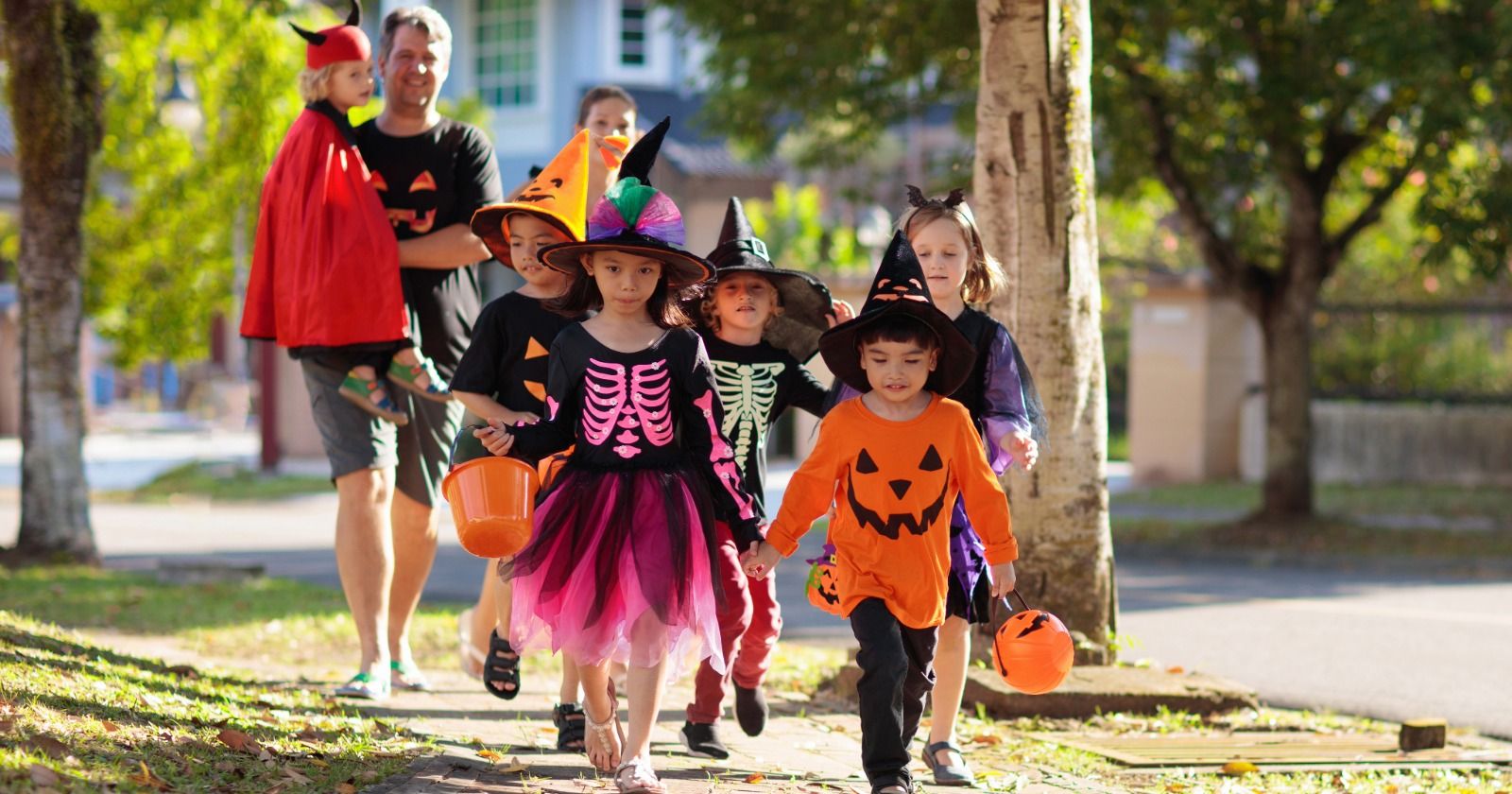
Supervision and routes: Adults should always go with young children, the AAP says. If older kids go without a parent, go over their plan and route and agree on a time to be home. Kids should stay on well-lit streets, use the sidewalk, and never go into a home or car for a treat.
If you're handing out candy: Clear garden hoses, toys, bikes, and other things people could trip over from your porch and yard. Replace burned-out outdoor bulbs, and sweep wet leaves off sidewalks and steps.
If you're driving: Slow down and scan the road, NHTSA says. The National Safety Council adds to take extra care pulling in and out of driveways and alleys.
Sources
- FDA: Halloween safety tips for costumes, candy, and colored contact lenses
- FDA: Halloween food safety tips for parents
- FDA: Decorative contact lenses for Halloween and more
- American Academy of Pediatrics: Halloween safety tips
- American Academy of Pediatrics: Marijuana edibles and Halloween candy
- American Academy of Pediatrics: Avoiding a food allergy scare on Halloween
- American Academy of Ophthalmology: Colored contacts and eye safety
- CPSC: Halloween safety tips for costumes and decor
- CPSC: Halloween pumpkin carving kits recalled
- CPSC: Recalls
- National Fire Protection Association: Halloween fire safety
- America's Poison Centers: Edible cannabis
- Nationwide Children's Hospital: Recreational drug ingestions among young children
- Spectrum News 1: Rate of children ingesting recreational drugs increases
- FARE: Teal Pumpkin Project
- ASPCA: Halloween safety tips
- ASPCA: What to do if your pet gets into chocolate
- NHTSA: Halloween safety tips
- National Safety Council: Halloween safety
- WPVI: Halloween myths about contaminated candy
Frequently asked
Is poisoned Halloween candy real?
It's extremely rare. Joel Best of the University of Delaware has tracked reports back to 1958 and found no evidence that any child was killed or seriously hurt by a contaminated treat from trick-or-treating. The FDA still recommends inspecting candy at home.
Are colored Halloween contact lenses safe?
Only with a prescription. The FDA says all contact lenses, including decorative ones, must be prescribed by a doctor, and selling them without a prescription is illegal in the U.S. Lenses from novelty or Halloween stores can cause serious eye injuries, including blindness.
What should I do if my child eats a cannabis edible?
Call Poison Control at 800-222-1222. Pediatricians warn that many edibles look like regular candy, and the more serious symptoms may not appear until three to four hours after a child eats one, so call before symptoms show.