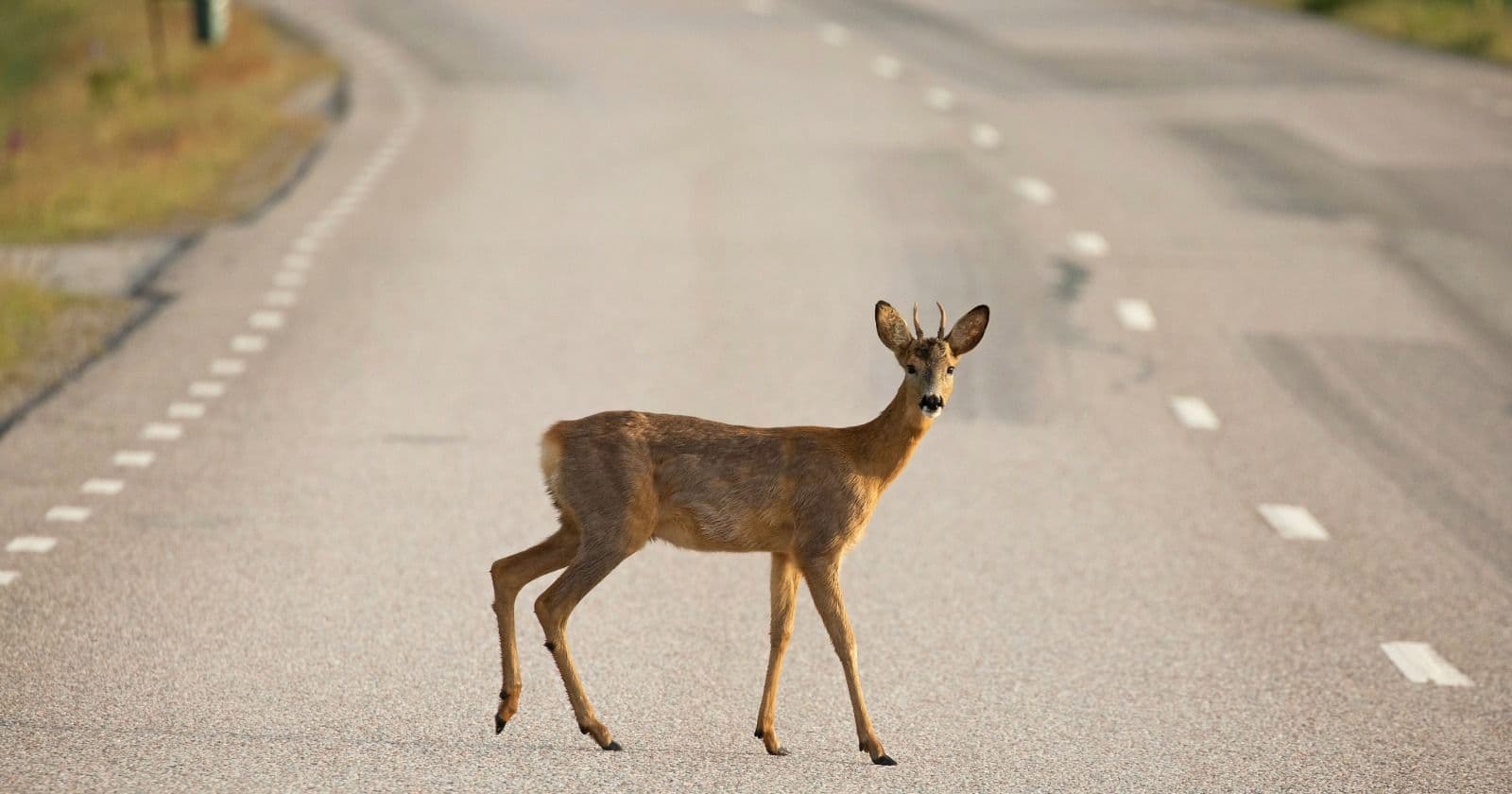
Does hitting a deer raise your car insurance?

See more PinScene stories in your Google results.
Deer damage is usually covered under comprehensive, not collision, and treated as not your fault. The catch is what happens if you swerve.
Hitting a deer usually won't raise your car insurance the way an at-fault crash would. Damage from hitting a deer is generally paid under comprehensive coverage, the part of your policy for things you can't control, and is typically treated as not your fault.
Pennsylvania spells it out in law. "Under Pennsylvania law, a crash involving a deer, or other wildlife, is considered a not-at-fault incident," state Insurance Commissioner Michael Humphreys said in a Pennsylvania Insurance Department release, adding that your premium "should not increase because of a deer-related crash." Insurers there can't add a surcharge for it, the department said.
Other states don't all have a rule that explicit, and insurers set their own policies on how claims affect your rate. If you're worried about a rate increase, ask your insurer before you file.
You need comprehensive coverage. Comprehensive is optional, the Pennsylvania department noted. If you only carry liability insurance, the minimum most states require, your policy won't pay to fix your own car after hitting a deer. Check your declarations page to see whether you have comprehensive, and what your deductible is.
The swerving problem. The not-at-fault treatment usually depends on actually hitting the animal. If you swerve, miss the deer, and hit a tree, that wouldn't count as a deer crash, a Pennsylvania Insurance Department spokesman told Insurance Journal. It becomes a collision claim, which can count against you.
How common it is. State Farm estimates there were more than 1.6 million animal-collision claims nationwide between July 2025 and June 2026, and deer are by far the most common animal hit. West Virginia drivers have the highest odds, 1 in 46. Here's the odds of hitting a deer in your state. Fall is the riskiest time, because it's breeding season and deer move around more, especially between sunset and sunrise, the Pennsylvania department said.
If you hit one. Pull over somewhere safe, turn on your hazard lights, and check for injuries. In Pennsylvania, you don't have to call police if no one is hurt and your car can be driven, the state police said, but call 911 if anyone is injured, your car needs a tow, or you're not sure what to do. Take photos of the damage and the scene, and call your insurer.
Sources
Frequently asked
Does hitting a deer raise your insurance?
Usually not like an at-fault crash would. Deer damage is generally a comprehensive claim treated as not your fault, and Pennsylvania law bars insurers from adding a surcharge for it. Rules vary by state and insurer, so ask yours.
What insurance covers hitting a deer?
Comprehensive coverage pays for damage to your car from hitting a deer. It's optional, so if you carry only liability insurance, your policy won't cover repairs to your own car.
Is it better to hit a deer or swerve?
For insurance, swerving can backfire. If you miss the deer and hit a tree or another car, it's no longer treated as a deer crash, Pennsylvania officials have said. It becomes a collision claim, which can count against you.