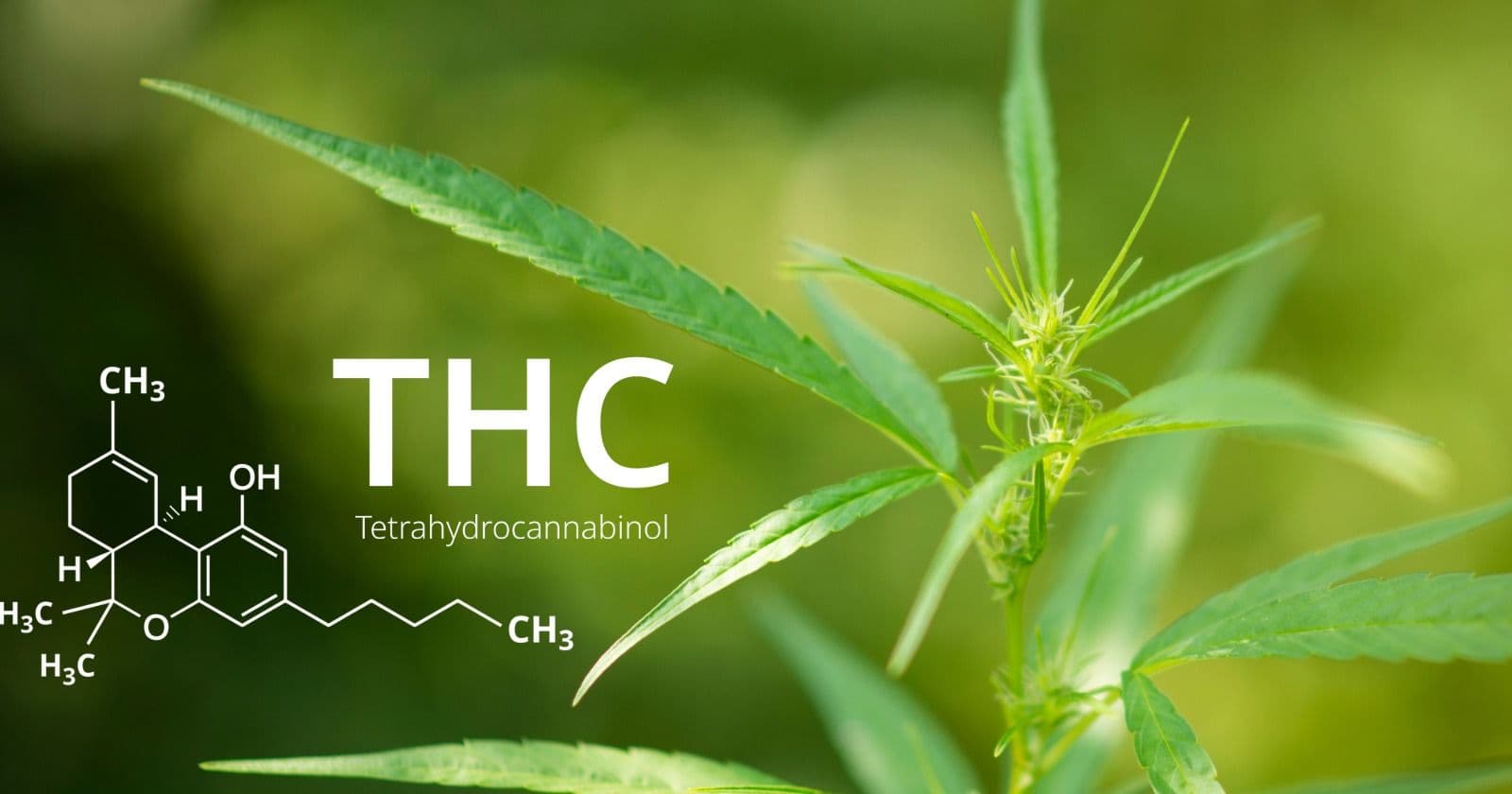
The federal hemp THC ban starts November 12

See more PinScene stories in your Google results.
A typical THC seltzer has 12 to 25 times the new federal limit. Here's what changes on each date, and what could still stop it.
The federal crackdown on intoxicating hemp products starts Thursday, November 12, but only a small part of it. On that date, hemp products made with cannabinoids that the cannabis plant can't produce naturally lose their legal status and are treated as marijuana under federal drug law, according to the Congressional Research Service. The rest of the new rules, including a cap of 0.4 milligrams of THC per container, take effect December 11.
Where this came from. The rules were written into a stopgap funding law Congress passed last November. Section 781 of that law, signed November 12, 2025, rewrote the federal definition of hemp effective 365 days later, according to the law's text. The Senate voted 76-24 to reject an amendment from Sen. Rand Paul of Kentucky that would have stripped it out.
The 2018 farm bill legalized hemp as cannabis with no more than 0.3% delta-9 THC, and a whole industry grew up around products that got people high anyway: delta-8 THC, THCA flower, THC seltzers, gummies, and vapes. The new definition closes that gap. It counts all THC, including THCA, toward the 0.3% limit. It excludes cannabinoids that are synthesized or made outside the plant. And it caps finished products at 0.4 milligrams of total THC and similar cannabinoids per container, meaning the can, bottle, jar, or package itself.
Why it's split in two. In September, Congress passed a stopgap funding bill that also pushed most of the hemp changes back a month. The Senate passed it 90-6 and the House 370-48, and President Trump signed it September 2, according to Congress.gov. Its Section 2019 says that until December 11, the new definition applies only to products with cannabinoids "not capable of being naturally produced" by the plant, according to the bill text. A Senate amendment to strip the delay failed 61-32. The White House reportedly promised there would be no further extensions, Marijuana Moment reported.
Which products fall on which date isn't fully settled, partly because the Food and Drug Administration never published the list of naturally occurring cannabinoids the law ordered within 90 days. As of September 28, "such a list has not been published," CRS wrote. Lawyers disagree about delta-8 THC in particular. Attorneys at Bradley Arant wrote that delta-8, delta-10, HHC, THC-O, and THCP made by chemical conversion lose hemp status on November 12. But CRS notes delta-8 and delta-10 occur naturally in the plant in small amounts, which could put converted versions in the December 11 group instead.
What 0.4 milligrams means. It's a tiny amount. Most THC drinks on Minnesota shelves contain 5 milligrams per serving, and some have 10, Northern News Now reported. At 5 milligrams, a single drink is 12.5 times the new cap for a whole container. At 10 milligrams, it's 25 times. THCA flower, sold on the theory that the THC in raw cannabis is in a different form called THCA, is covered because the new limit counts THCA.
Some CBD products are caught, too. Full-spectrum CBD that contains trace THC above the per-container limit will be controlled as marijuana, according to a CRS legal analysis. The cap would ban "even some non-impairing CBD products, such as topical lotions," said Jonathan Miller, general counsel for the U.S. Hemp Roundtable, according to the Associated Press. CBD products at or under 0.4 milligrams of THC per container, with no excluded cannabinoids, remain legal hemp.
The stakes. The ban threatens to cut retail sales by $28.3 billion, eliminate 225,000 jobs, and cost states $2.1 billion in potential sales tax, according to a September estimate by Whitney Economics cited by the AP. The regulated marijuana industry, which sees hemp THC as unfair competition, supports the ban. Some alcohol retailers and wholesalers have pushed for regulating low-dose THC drinks instead. And 35 state and territorial attorneys general said the law protected consumers.
What states are doing. Rules already vary a lot:
- Illinois will enforce the federal limits on November 12 regardless of the delay, and retailers face product seizure and penalties, according to the Illinois Department of Revenue.
- Ohio's per-container limit took effect March 20, and Rhode Island adopts the federal definition December 11, according to Vicente LLP.
- California already limits intoxicating hemp to licensed dispensaries and bans synthetics under a law Gov. Gavin Newsom signed in 2025.
- Texas requires buyers to be 21 or older under an executive order from Gov. Greg Abbott, who vetoed a full ban in 2025, Texas Public Radio reported.
Products sold in state-licensed marijuana dispensaries aren't hemp, so this change doesn't touch them, though marijuana remains illegal under federal law. How hard federal agencies will enforce the new limits is an open question. CRS has noted that the FDA and the Drug Enforcement Administration "may lack the resources to broadly enforce" them.
Could it still change? There's still a month for Congress to act. Bills are pending to delay the ban two more years, to repeal it, or to replace it with a regulatory system, including one from Sens. Ron Wyden and Jeff Merkley of Oregon that would allow 5 milligrams of THC per serving and 50 milligrams per package. None has moved yet. Another stopgap funding bill is due by December 11, which gives supporters one more chance to attach a delay. Rep. Morgan Griffith of Virginia has suggested putting hemp rules into a budget bill that can pass the Senate with a simple majority. "If we could get that into a reconciliation bill before the 11th of December, that'd be fabulous," he told Marijuana Moment.
Sources
- Public Law 119-37, Section 781
- Congress.gov: H.R. 5371 actions
- Congress.gov: Senate Amendment 3941
- Congress.gov: H.R. 6500 actions
- H.R. 6500 enrolled text, Section 2019
- Congress.gov: Senate Amendment 6747
- Congressional Research Service: IF13136
- Congressional Research Service: Changes to the federal definition of hemp
- Congressional Research Service: IN12620
- National Law Review: What the federal hemp ban delay really means
- Vicente LLP: Federal hemp definition change delayed to December 11
- Associated Press via PBS: A $28 billion hemp THC industry is fighting to save itself
- Northern News Now: THC drink limits
- Marijuana Moment: Senate votes to delay hemp ban
- Marijuana Moment: Griffith on a reconciliation bill
- Illinois Department of Revenue: Bulletin FY 2027-04
- California Governor's Office: AB 8 signed
- Texas Public Radio: Abbott orders age restrictions on THC sales
Frequently asked
When does the federal hemp THC ban take effect?
In two steps. On November 12, 2026, hemp products with cannabinoids the plant can't produce naturally lose hemp status. On December 11, 2026, the 0.4 milligram per-container THC cap and the rest of the new definition take effect.
Will THC drinks still be legal after December 11?
Not under federal law if they contain more than 0.4 milligrams of total THC per container, which covers most current THC drinks. Products sold in state-licensed marijuana dispensaries are not hemp and aren't affected by this change.
Is delta-8 THC banned on November 12?
It's disputed. Some lawyers say delta-8 made by chemical conversion loses hemp status November 12. The Congressional Research Service notes delta-8 occurs naturally in small amounts, which could push it to December 11. The FDA never issued the list that would settle it.