Why crypto ATMs are being banned, and which states have done it

See more PinScene stories in your Google results.
Scam victims lost $389 million at the machines last year, mostly people over 60. Five states decided limits weren't enough.
Five states have banned or sharply restricted crypto ATMs this year, and more cities are doing the same. On October 20, California Attorney General Rob Bonta gave residents blunt advice: "Never use a crypto ATM," NBC Bay Area reported. Officials say scammers have made the machines a favorite way to collect money from victims, many of them older adults.
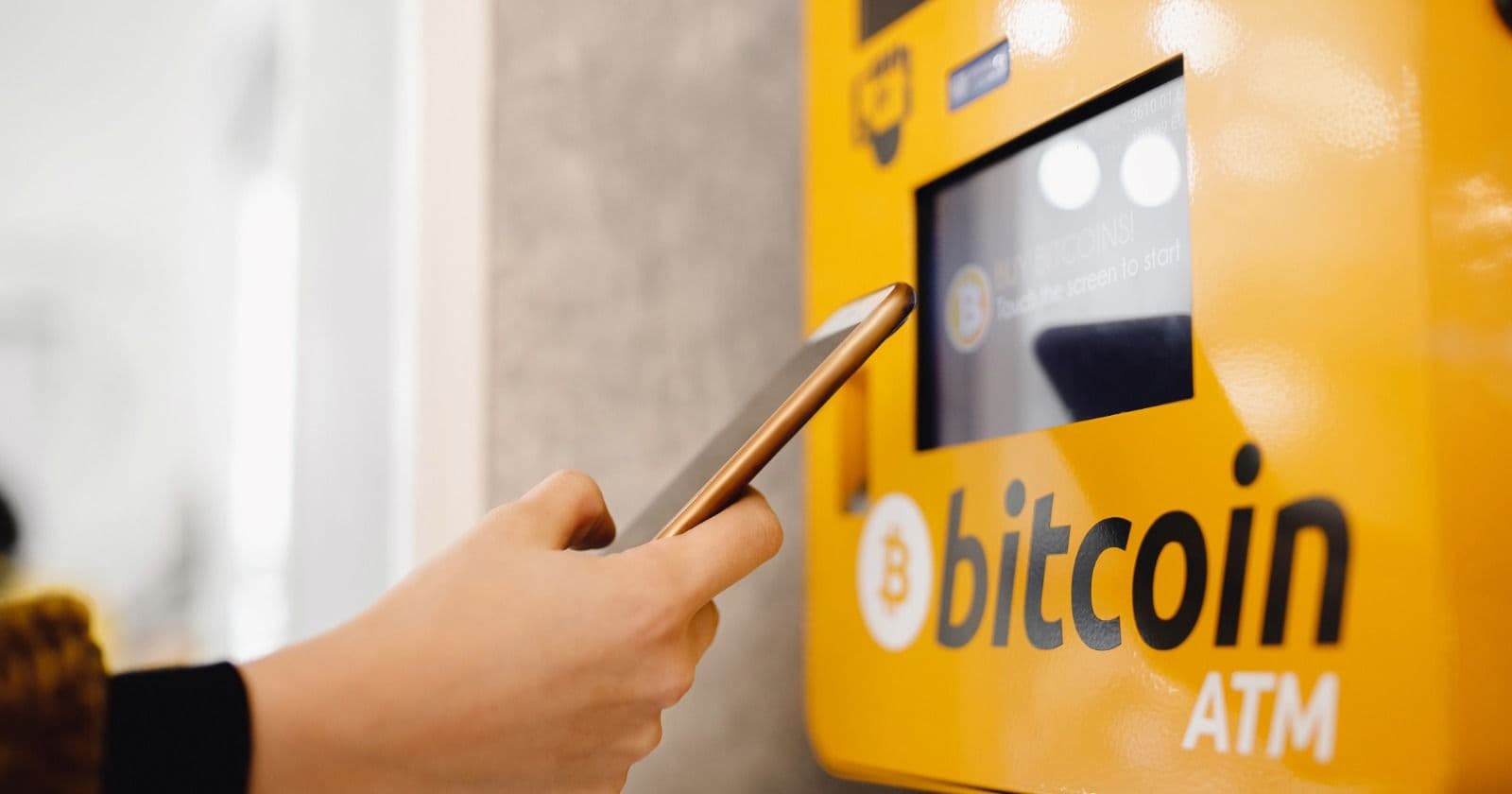
The machines, also called virtual currency kiosks, look like regular ATMs. You feed in cash and it's converted into cryptocurrency and sent to a digital wallet. In a typical scam, someone posing as a government agency, tech support, or a romantic interest tells the victim to withdraw cash and deposit it at a kiosk. The scammer supplies a QR code, and "as soon as consumers scan a QR code provided by scammers at the machine," the money goes straight into the scammer's account, the Federal Trade Commission says. Scammers push victims to the machines because the money can't be reversed or easily traced, Bonta said.
The losses keep climbing. In 2025, the FBI's Internet Crime Complaint Center received 13,460 complaints involving crypto kiosks, with $389 million in losses, according to its annual report. That was 23% more complaints and 58% more money lost than in 2024. People 60 and older reported $257.5 million of those losses. Among complaints where the victim's age was known, that works out to about 76% of the money. The Treasury Department's financial crimes unit, FinCEN, has listed the common schemes as tech support scams, government impersonation, romance scams, emergency or person-in-need scams, and lottery and sweepstakes scams.
Investigators say scam money is a big share of the business. When Washington, D.C.'s attorney general sued kiosk operator Athena Bitcoin in 2025, the office said 93% of deposits at its machines in the city were the direct result of scams, the victims' median age was 71, and the median amount lost per scam transaction was $8,000, according to the D.C. attorney general's office. In February, Massachusetts Attorney General Andrea Joy Campbell sued Bitcoin Depot, alleging that more than 80% of customers who spent $10,000 or more at its kiosks between August 2023 and January 2025 did so in connection with scams. Nearly 60% of the company's Massachusetts revenue in that period came from those scam transactions, the lawsuit alleges. Those figures are allegations in the lawsuits.
The fees are steep. Kiosk fees can run from 7% to 20% per transaction, FinCEN says, but scammers are willing to pay them. Iowa's attorney general said in a 2025 lawsuit that Bitcoin Depot takes 23% of the money Iowans send through its machines and CoinFlip claims 21%, according to the Iowa attorney general's office. The Massachusetts suit alleges Bitcoin Depot's markups run between 15% and 50%.
Lawmakers say limits weren't enough. Before its ban, Minnesota tried consumer protections for the kiosks, and its Commerce Department told lawmakers that earlier efforts to protect consumers at the kiosks had failed, according to Minnesota House Session Daily. Tennessee House Speaker Cameron Sexton called the machines a gateway for scammers to exploit Tennesseans, especially seniors. Indiana's bill sponsor, Rep. Wendy McNamara, argued the machines serve no legitimate purpose, Lakeshore Public Media reported.
These states now ban the machines:
| State | Law | What it does |
|---|---|---|
| Indiana | HB 1116, signed March 9, 2026 | Bans operating crypto kiosks; took effect immediately |
| Tennessee | HB 2505, signed April 23, 2026 | Ban took effect July 1, 2026; violations are a Class A misdemeanor |
| Minnesota | SF 3868, signed May 5, 2026 | Ban began August 1, 2026; operators must remove machines by December 31, 2026 |
| Vermont | H.648, signed June 16, 2026 | Bans operating kiosks; existing registrations ended July 1, 2026 |
| Hawaii | HB 1642 (Act 224) | Since October 1, 2026, bans kiosks that take cash to buy crypto; cash withdrawals still allowed |
Cities have acted, too. Spokane, Washington, banned the kiosks in June 2025, and 20 Massachusetts communities have banned them, Boston.com reported in August. San Diego is considering requiring scam warning signs on the machines.
Most states regulate instead. Thirty-five states have passed laws on crypto kiosks since 2023, 18 of them this year, according to AARP. California caps kiosk transactions at $1,000 per customer per day and limits fees to $5 or 15% per transaction, whichever is greater, according to the state's Department of Financial Protection and Innovation, and a court has upheld the daily cap. Wisconsin set a $1,000 daily limit this year and requires operators to refund scam victims who report within 30 days. Nebraska caps new customers at $2,000 a day. A federal bill from Sen. Dick Durbin of Illinois would set national daily limits and require refunds, but it hasn't moved out of committee since February 2025, Congress.gov shows.
The operators aren't just sitting idle. At a Minnesota hearing, CoinFlip argued that a legal product shouldn't be banned because fraud happens, and said fewer than 1% of its roughly 12,000 transactions there were refundable. In Massachusetts, the company said bans push scammers toward channels with fewer safeguards. The pressure has hit the industry anyway. Bitcoin Depot, which ran more than 9,000 machines, filed for Chapter 11 bankruptcy in May and is winding down. Its chief executive said the regulatory environment for operators had shifted significantly, Banking Dive reported. And on October 8, operator Coinme agreed to a $2.5 million settlement with 34 states over anti-money-laundering violations and to shut down its kiosks by January 1, 2027, or pay $4 million more, according to Illinois regulators.
How to protect yourself. "Never withdraw cash in response to an unexpected call or message. Only scammers will tell you to do that," the FTC says. California regulators put it more directly: "No legitimate organization will ever ask you to deposit cash into a crypto ATM to resolve an issue or protect your money." If a kiosk operator calls during a transaction to say it looks like fraud, stop or cancel it, the FBI says. If you've already sent money, contact the kiosk company, file a police report, and report it to the FBI at ic3.gov and the FTC at ReportFraud.ftc.gov.
Sources
- FBI Internet Crime Complaint Center: 2025 Internet Crime Report
- FBI: Public service announcement on cryptocurrency kiosks (May 15, 2026)
- FinCEN: Notice on the use of convertible virtual currency kiosks for scam payments
- FTC: Bitcoin ATM scam losses
- FTC: What to know about cryptocurrency and scams
- California DFPI: Crypto ATM scams
- California DFPI: Digital Financial Assets Law FAQ
- California DFPI: Court upholds daily transaction limit for crypto kiosks
- Indiana General Assembly: HB 1116
- Tennessee General Assembly: HB 2505
- Tennessee House Republican Caucus: Virtual currency kiosk ban approved
- Minnesota Revisor of Statutes: 2026 Session Law Chapter 65
- Minnesota House Session Daily: Crypto kiosk ban
- Vermont Legislature: H.648
- Hawaii State Legislature: HB 1642
- Hawaii News Now: New law banning crypto ATM deposits takes effect October 1
- Lakeshore Public Media: Indiana law ends crypto ATM use
- City of Spokane: Council votes to prohibit virtual currency kiosks
- Boston.com: 20 Massachusetts communities have banned crypto kiosks
- NBC Bay Area: Bonta advises against crypto ATMs
- D.C. Attorney General: Lawsuit against Athena Bitcoin
- Massachusetts Attorney General: Lawsuit against Bitcoin Depot
- Iowa Attorney General: Lawsuit against Bitcoin Depot and CoinFlip
- AARP: Crypto ATM fraud protections
- AARP Wisconsin: New crypto kiosk law
- AARP Nebraska: Law targets crypto ATM scams
- Congress.gov: S.710, Crypto ATM Fraud Prevention Act
- Banking Dive: Bitcoin Depot files for Chapter 11
- Illinois IDFPR: Settlement with crypto kiosk operator Coinme
Frequently asked
Why are crypto ATMs being banned?
Officials say scammers use them to collect money from victims, especially older adults. The FBI counted $389 million in crypto kiosk losses in 2025, and state lawsuits allege most deposits at some operators' machines were tied to scams.
Which states have banned crypto ATMs?
Indiana, Tennessee, Minnesota, and Vermont have banned crypto kiosks, and Hawaii bans kiosks that take cash to buy crypto as of October 1, 2026. Spokane, Washington, and 20 Massachusetts communities have local bans.
What should I do if a scammer told me to use a crypto ATM?
Stop. Real businesses and government agencies never ask for payment at a crypto ATM. If you already sent money, contact the kiosk company, file a police report, and report it at ic3.gov and ReportFraud.ftc.gov.