Neighborhood Guides
How to check crime in your neighborhood, and how to read the numbers
Crime data is public and free. The hard part is reading it without scaring yourself or missing the real pattern.
Crime data is public and free. The hard part is reading it without scaring yourself or missing the real pattern.
Three orders that sound similar and ask for very different things. Here is what each one means.

The neighbor conversation works more often than the complaint does, and you only get to have it once.
That half-can of paint in the garage has a proper exit. Here's what counts as hazardous and where it goes.
The company that actually runs the Miami-to-Orlando trains isn't part of the filing. Here's what that means for riders.
Three colors, three very different emergencies. Here's what each alert means and what it's asking you to do.
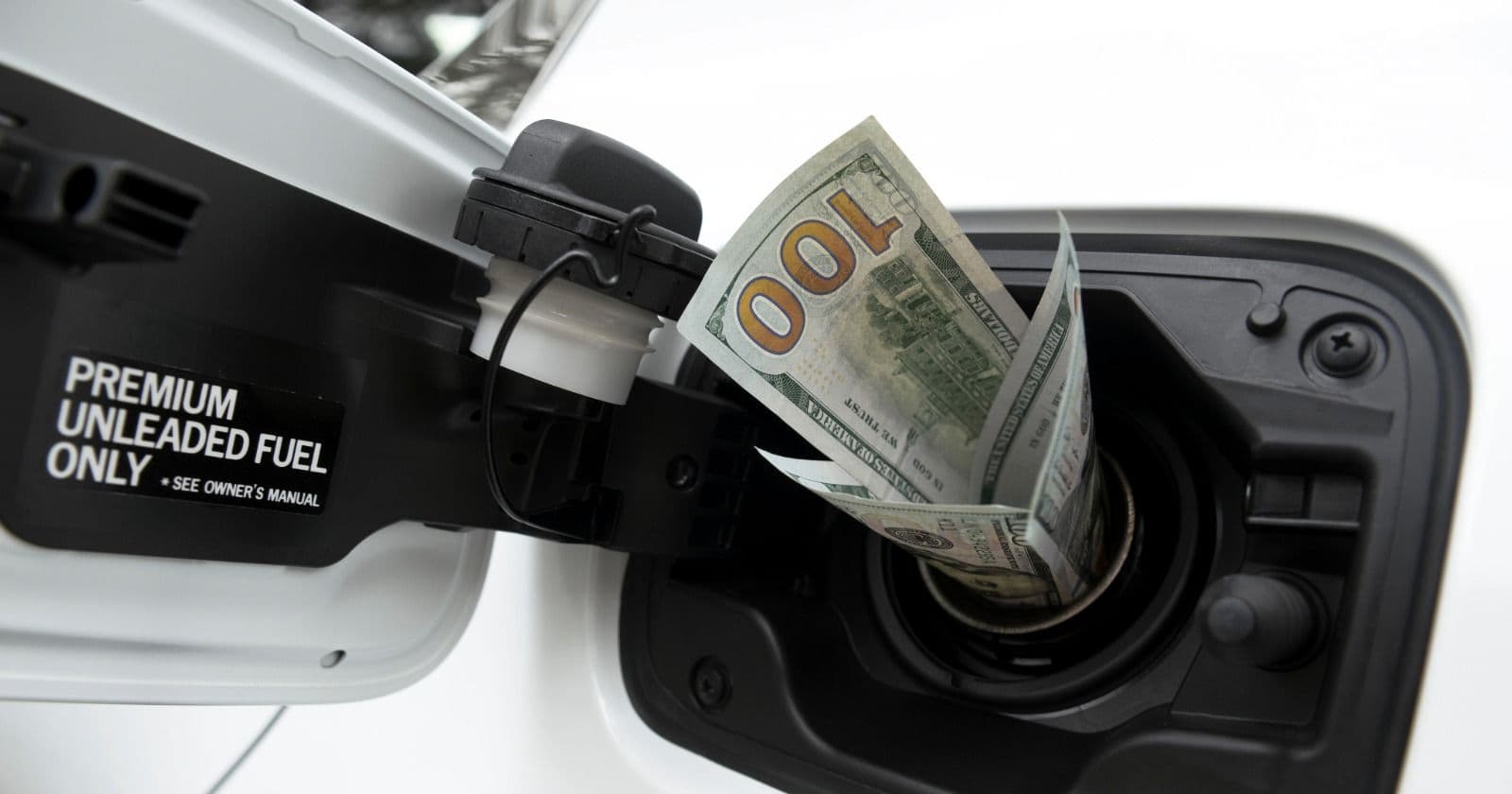
It would save about $3.60 on a 15-gallon fill-up. First it has to get through the Legislature.
911 is for emergencies and 311 is for city services. 211 is the number for when you need help and don't know who to ask.
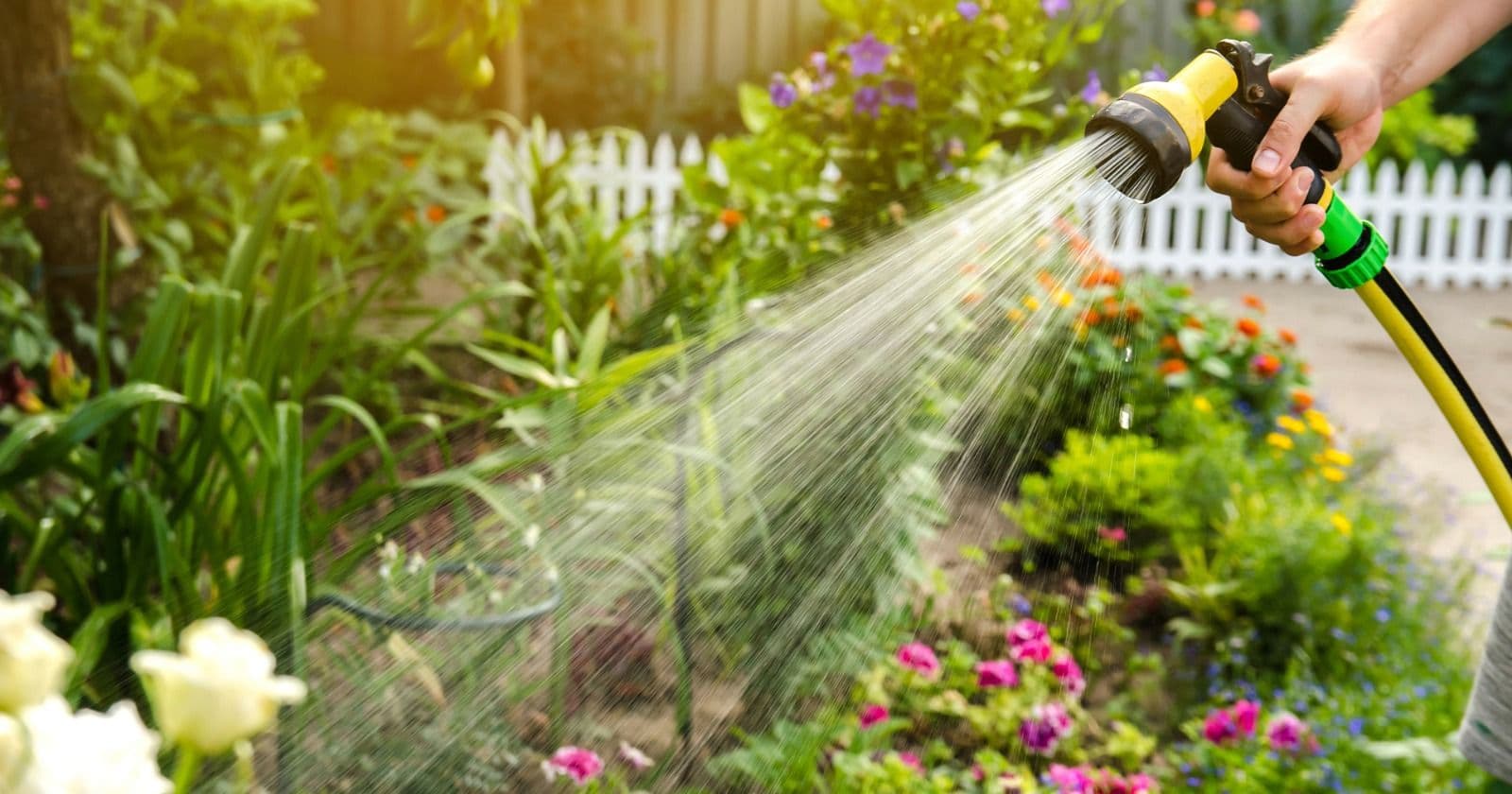
Lawns get one day a week, set by the last digit of your address. Here's your day and your hours.
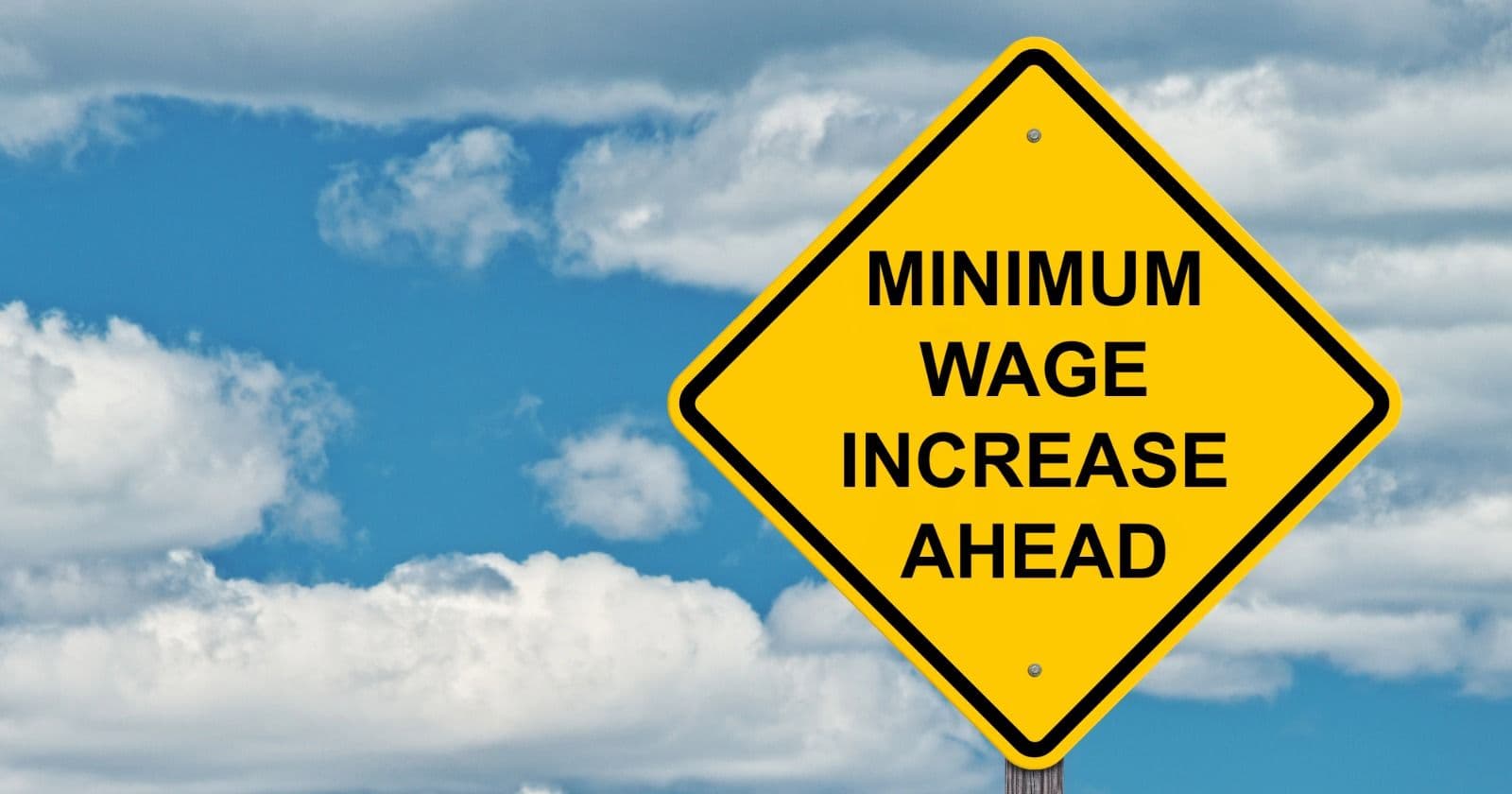
The last $1 step of a 2020 ballot measure. After this one, the yearly raises stop and inflation takes over.
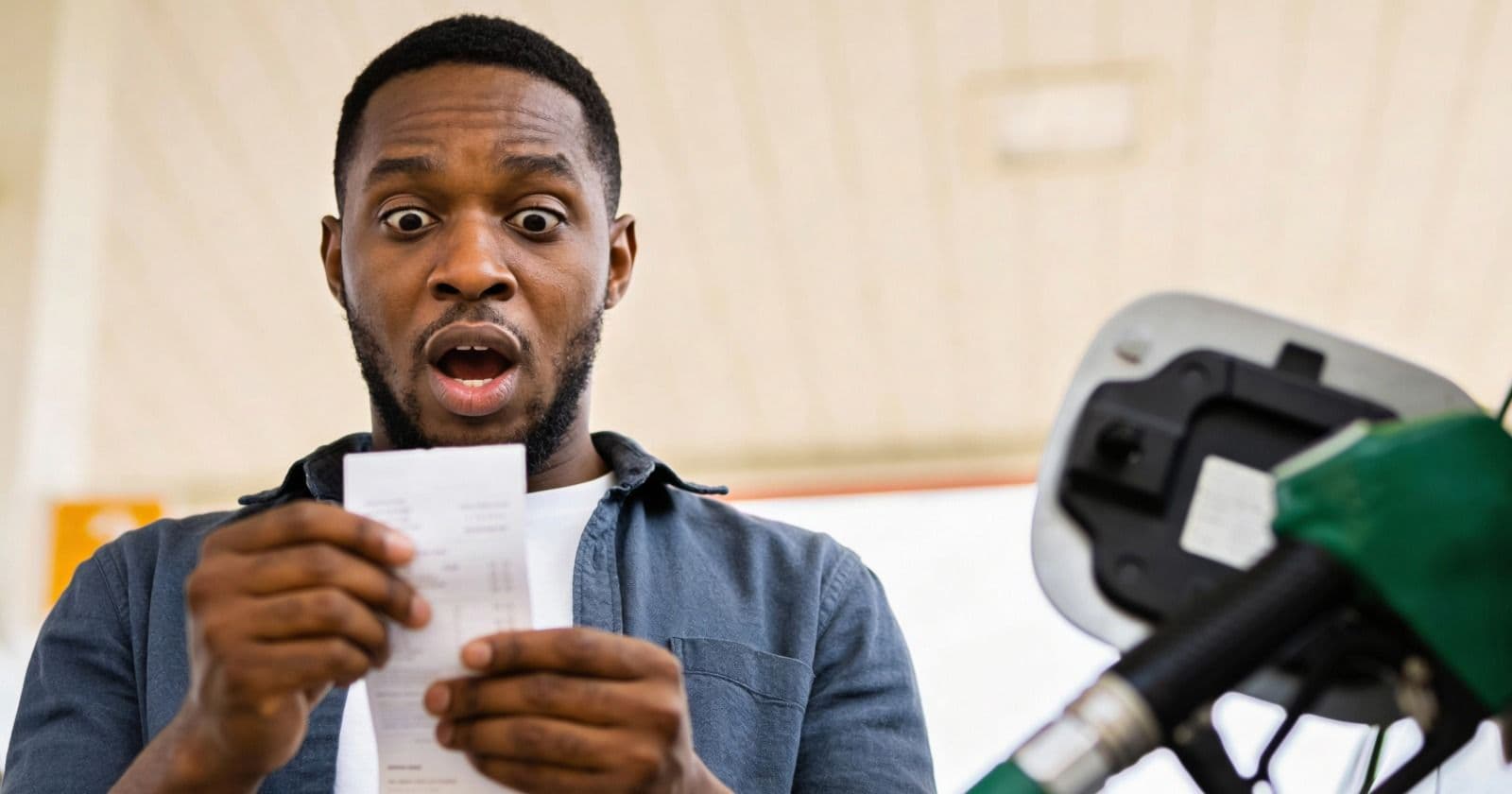
The state average is $4.09. Even the cheapest metro in Georgia is over $4.

Call the police non-emergency line before you panic. Storage fees start the day it arrives.